Guide to Popular Fruit Juices: Cherry, Cranberry, Sparkling & More
by Touseef Shaikh
What makes one bottle of fruit juice worth buying over another? That question has driven a lot of our research, and the short answer is: it comes down to ingredients, processing, and how well the flavor holds up after opening. Whether it's tart cherry, bold cranberry, or a lightly fizzy sparkling blend, knowing the best fruit juice brands to try can make a real difference in both taste and nutrition. Our product reviews section covers a wide range of grocery staples, and fruit juice is one category where the variety — and the quality gaps — are surprisingly wide.

Fruit juice has been a pantry staple for generations. From a chilled glass of orange juice at breakfast to cranberry juice alongside dinner, these beverages show up in daily routines in a lot of ways. But the market has grown significantly. Most households can now choose from cold-pressed options, low-sugar formulas, functional blends, and sparkling varieties — all sitting side by side on the same grocery shelf.
Our team has spent time comparing labels, tasting products, and reading through consumer feedback to put together a guide that covers the most popular types. The goal isn't to push one brand over another — it's to give anyone shopping for juice the tools to make a well-informed choice based on what actually matters.
Contents
- How Cherry, Cranberry, Sparkling, and Other Popular Juices Compare
- Common Mistakes People Make When Choosing Fruit Juice
- Easy Wins: Getting More Nutrition From Every Bottle
- What Our Team Looks for in the Best Fruit Juice Brands to Try
- How to Build a Smart Juice Collection at Home
- Storage, Serving, and Kitchen Basics for Juice Lovers
- Frequently Asked Questions
- Next Steps
How Cherry, Cranberry, Sparkling, and Other Popular Juices Compare
Not all fruit juices are created equal. Each variety has its own flavor profile, nutritional strengths, and best uses. Our team put together a side-by-side look at the most commonly purchased types to help anyone narrow down what fits their needs best.
| Juice Type | Flavor Profile | Key Nutrients | Sugar per 8 oz | Best Use |
|---|---|---|---|---|
| Tart Cherry | Deep, tart, slightly sweet | Antioxidants, Melatonin, Vitamin C | Medium (18–26g) | Recovery, sleep support |
| Cranberry | Sharp, tart, slightly bitter | Vitamin C, Proanthocyanidins | Low–Medium (varies) | Urinary health, immune support |
| Sparkling (apple/grape base) | Light, bubbly, mild sweet | Varies by base fruit | Low–Medium | Entertaining, non-alcoholic occasions |
| Orange Juice | Bright, citrusy, tangy | Vitamin C, Folate, Potassium | Medium (21–26g) | Breakfast, Vitamin C boost |
| Apple Juice | Sweet, mild, clean | Vitamin C, Potassium | High (24–28g) | Everyday drinking, blending base |
| Grape Juice | Sweet, full-bodied, rich | Resveratrol, Vitamin K | High (36g+) | Antioxidant intake, cooking |
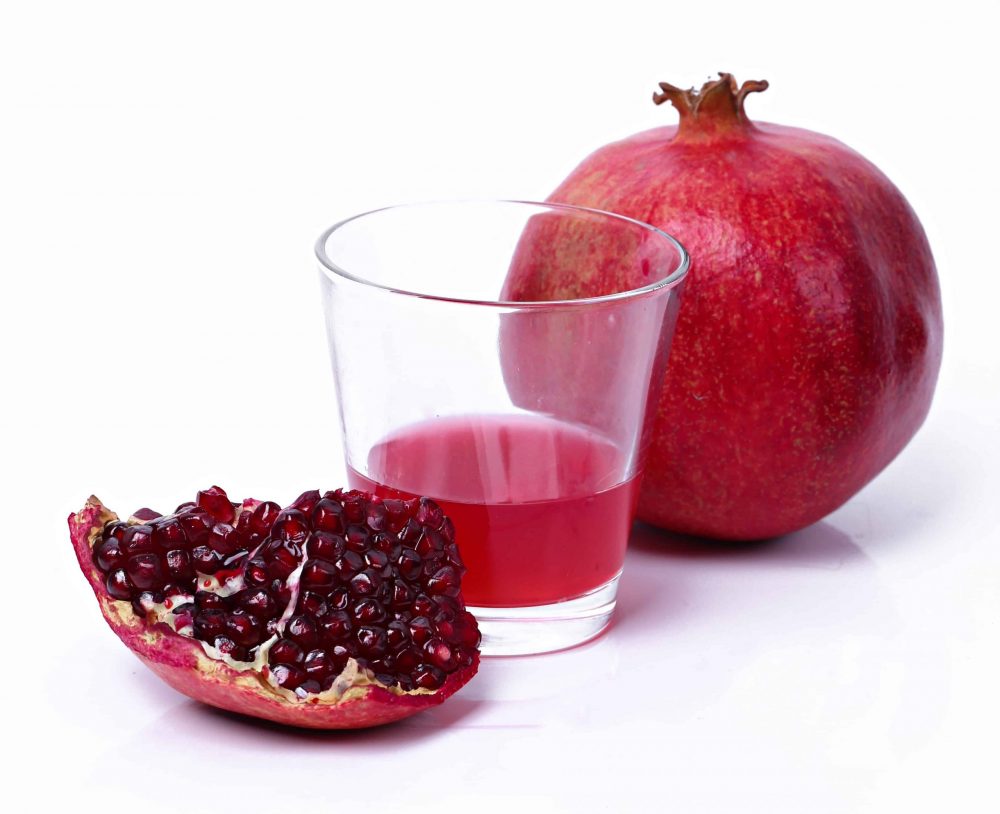
| Pomegranate | Rich, tangy, slightly earthy | Antioxidants, Vitamin K, Folate | Medium (28–32g) | Heart health, inflammation support |
Cherry Juice
Cherry juice has earned a strong following in recent years, especially among people interested in natural wellness and post-workout recovery. Tart cherry juice in particular is widely noted for its high antioxidant content and its potential role in reducing muscle soreness. Our team finds that the best options are made from Montmorency cherries, which have a more complex, deeper flavor than sweet cherry varieties.
For a detailed look at specific products, our guide to the 5 Best Cherry Juice Brands covers the top options with full tasting notes and nutrition comparisons side by side.
Cranberry Juice
Cranberry juice is one of the most polarizing options on the shelf. Many commercial versions are blended with grape or apple juice to soften the sharpness — but that process often adds significant sugar. Pure unsweetened cranberry is intense and typically consumed in small pours or mixed with water.
Our team has reviewed some of the lowest-sugar options available. For anyone watching their intake, the 3 Best Cranberry Juice Brands With the Lowest Sugar covers what to look for and which brands deliver the most flavor without the sugar load.
Sparkling Juice
Sparkling juices have carved out a solid niche as non-alcoholic alternatives for celebrations and casual entertaining. Most are carbonated fruit blends — apple, white grape, and pear are the most common bases. The texture is lighter, and many brands use no added sweeteners beyond the fruit itself.
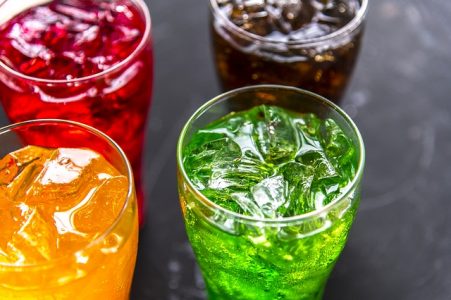
One thing our team watches for in sparkling juice is carbonation level. Some brands go heavy on the fizz, which can feel closer to soda. Others are lightly effervescent — more like sparkling water with a fruit twist. Both styles have their fans, and the right pick depends on the occasion.
Other Fruit Juice Varieties
Beyond the classics, a growing range of specialty juices is worth knowing about:
- Pomegranate juice — rich in antioxidants, often used in small amounts or blended with milder juices
- Aloe vera juice — mild and functional, popular for digestive support (our breakdown is in the 5 Best Aloe Vera Juice Brands guide)
- Mango juice — sweet and tropical, widely used in smoothie bases and mocktails
- Pineapple juice — bright and tangy, useful in cooking and as a natural meat tenderizer
- Beet juice — earthy and dense, increasingly available in mainstream grocery chains

Common Mistakes People Make When Choosing Fruit Juice
Shopping for juice looks simple, but there are a few traps that are easy to fall into. Our team has noticed these patterns come up repeatedly when people end up disappointed with a product they expected to be a solid buy.
Overlooking the Sugar Content
This is the most common issue. Many shoppers see "100% juice" on the label and assume the sugar is low. But even unsweetened 100% juice can contain 20–36 grams of sugar per serving — comparable to many soft drinks. The difference is that the sugar is naturally occurring, not added, but that distinction doesn't eliminate the intake concern entirely.
According to the FDA's nutrition labeling guidelines, updated Nutrition Facts panels now track added sugars and naturally occurring sugars separately. This makes it easier to compare products honestly — and our team recommends using that distinction when evaluating cranberry and grape options, where sugar levels vary most across brands.
Confusing Juice Drinks with 100% Juice
Labeling in the juice aisle can be genuinely confusing. Here's a quick breakdown of what the terminology actually means:
- 100% juice — contains only fruit juice, no added sweeteners or water
- Juice drink or cocktail — typically 10–50% real juice, diluted with water and sweetened
- Juice-flavored beverage — minimal actual juice; mostly flavoring and sweeteners
- Nectar — thicker consistency, often made from pulpy fruits like mango or peach; may contain added sugar
Most people assume "juice" on the front label signals 100% fruit content. That's not always the case. The actual percentage is often printed in small type on the side panel or buried in the ingredient list — and brands aren't required to make it prominent.
Ignoring Storage and Shelf-Life Cues
Fresh-pressed and cold-pressed juices have significantly shorter shelf lives than pasteurized bottled options — sometimes as little as three to five days after opening. Cold-pressed juice consumed past its window develops a flat, slightly fermented taste and raises food safety concerns.
Pasteurized shelf-stable cartons and glass bottles last longer but still need refrigeration after opening and should be used within seven to ten days. Our team always checks the "best by" date and notes whether the product requires refrigeration before or after opening — two very different scenarios that shoppers sometimes overlook.
Easy Wins: Getting More Nutrition From Every Bottle
Once the basics are clear, a few practical strategies make it easier to get genuine value from the juice aisle — without overcomplicating the shopping trip.

Cold-Pressed vs. From Concentrate
Cold-pressed juice is made by pressing fruit under high pressure without heat. This preserves more natural enzymes and phytonutrients (plant compounds that may support health) and tends to produce a fresher, more vibrant flavor. The tradeoffs are a shorter shelf life and a higher price point.
Juice from concentrate is reconstituted from a dried or reduced form. It's more shelf-stable, more affordable, and available almost everywhere. The nutritional difference between a high-quality concentrate and cold-pressed is smaller than many people expect — especially for Vitamin C, which is often added back after processing in both formats.
For everyday use, concentrate-based juice from a quality brand is a practical and cost-effective choice. Cold-pressed is worth the premium when flavor or specific nutritional goals are the priority.
Added Vitamins and Functional Ingredients
Many brands now fortify their juice lines with vitamins, minerals, or functional ingredients. Common additions include:
- Extra Vitamin C — standard in orange juice and many tropical blends
- Calcium — added to orange juice as a bone health supplement
- Vitamin D — less common but found in a few specialty lines
- Probiotics — increasingly added to functional juice drinks for digestive support
Our team finds these additions genuinely useful when sourcing is transparent. The label should name the specific form of the added nutrient — "calcium citrate," for example, rather than just "calcium." Generic listings are harder to evaluate for how well the body absorbs them.
For households that like keeping multiple beverage types on hand, juice pairs well with quality herbal teas as part of a broader pantry. Our guide to the 19 Best Herbal Tea Brands covers a range of functional options that complement juice-focused routines well.
Blending Juices for Better Flavor Balance
Mixing juices at home is one of the simplest ways to customize both flavor and nutrition without buying specialty products. Tart cranberry becomes far more approachable blended 50/50 with apple juice. Cherry takes on a brighter character with a splash of pomegranate.
Some useful starting ratios our team has tested:
- Cranberry + apple: 1:1 for everyday drinking with less bite
- Cherry + pomegranate: 2:1 for a dense, antioxidant-rich blend
- Sparkling apple + pear: 3:1 for a lightly fizzy, lower-sugar mixer
- Beet + orange: 1:3 for an earthy, bright morning blend
What Our Team Looks for in the Best Fruit Juice Brands to Try
After evaluating dozens of products across different categories, our team has developed a consistent set of criteria for assessing juice quality. These aren't just aesthetic preferences — they reflect practical factors that affect both the drinking experience and the nutritional value.
Reading the Ingredient Label
The ingredient list tells most of the story. Our team's first step is checking how many ingredients are listed. A high-quality 100% juice should list only the juice itself — or at most the juice and ascorbic acid (Vitamin C) as a preservative.
Red flags to watch for on the label:
- High fructose corn syrup or added sugars listed near the top of the ingredients
- "Juice from concentrate" listed after water, suggesting heavy dilution
- Artificial colors or flavors in products marketed as natural
- Vague terms like "natural flavors" without any specifics about the source
Certifications and Sourcing
Third-party certifications provide an independent check on what the label claims. Our team pays attention to:
- USDA Organic — especially relevant for thin-skinned fruits like grapes and cherries, where pesticide residue is more of a concern
- Non-GMO Project Verified — applicable mainly for citrus and beet-based juices
- Fair Trade Certified — worth noting for tropical juices sourced internationally
Not every quality juice carries a formal certification. Smaller regional producers often lack the budget for the process even when they meet the standards in practice. In those cases, our team looks for brand transparency — whether the company clearly discloses sourcing regions and processing methods on its packaging or website.
Balancing Price and Quality
Juice pricing varies enormously — from under $3 for a half-gallon of store-brand apple juice to $10 or more for a small cold-pressed bottle. The price jump doesn't always correspond to a meaningful quality difference for everyday use.
Our team's general finding: mid-range branded products in the $4–$7 range for a standard 32–64 oz bottle tend to offer the best overall value. Premium cold-pressed options are worth exploring for specific functional purposes — tart cherry for recovery, pomegranate for antioxidant focus — but for casual daily drinking, the premium is hard to justify on taste alone.
How to Build a Smart Juice Collection at Home
Building a well-rounded juice shelf doesn't require a lot of space or a large grocery budget. Our team approaches it in three clear stages: assess, select, and expand over time.
Step 1: Assess Household Consumption
Before buying in bulk or variety, it helps to track how much juice a household actually goes through in a week. Most households fall into one of these patterns:
- Daily drinkers — one or more glasses per day; stocking at least two varieties (one standard, one functional) makes sense
- Occasional users — juice for guests or weekend use; smaller bottles or a single versatile option works well
- Cooking and mixing households — juice used primarily in recipes or mocktails; larger, economical containers are the practical choice
This assessment helps avoid the common pattern of buying a variety pack and ending up with three half-opened bottles expiring at the back of the fridge.
Step 2: Choose a Core Selection
Our team's recommended starting lineup for most households includes three bottles:
- One everyday juice — orange, apple, or white grape for versatility and reliable value
- One tart or functional juice — tart cherry or low-sugar cranberry for specific wellness goals
- One specialty or seasonal option — pomegranate in colder months, pineapple or mango when warmer seasonal flavors feel right
This three-bottle setup covers daily drinking, health-focused use, and variety without overwhelming fridge space. Juice pairs naturally with morning meal routines. For those building out breakfast options around nutritious staples, the Types of Breakfast Cereals: Granola, Muesli, and More guide includes good pairing ideas for a balanced start to the day.
Step 3: Add Specialty and Seasonal Options
Once the core selection is established, rotating in specialty juices based on season, health goals, or curiosity keeps the shelf interesting. Some options our team finds underrepresented in most home pantries:
- Tart cherry — especially valuable in households with active members focused on muscle recovery
- Aloe vera juice — mild and functional, blends easily into smoothies without overpowering the flavor
- Beet juice — increasingly available in mainstream chains, worth exploring for its distinctive nutritional profile
- Sparkling grape or apple — a practical entertaining staple that most guests appreciate as a non-alcoholic option
Storage, Serving, and Kitchen Basics for Juice Lovers
The right setup doesn't require expensive equipment. But a few practical choices make a real difference in how juice stays fresh and how enjoyable it is to serve day to day.
Refrigeration and Shelf Life
Most opened juice lasts seven to ten days in the refrigerator when stored properly. A few factors that affect freshness:
- Container type matters — glass bottles preserve flavor better than plastic over extended storage, especially for citrus and tart juices
- Keeping juice away from strong-smelling foods in the fridge reduces the risk of the juice absorbing off-flavors
- Natural juices separate over time — a quick shake or stir before pouring improves consistency
- Cold-pressed and unpasteurized juices should be treated as perishable: consumed within three to five days
For shelf-stable cartons stored in the pantry before opening, most are fine for six months to a year. Storing them away from heat sources — like the area near the oven or a sunny window — helps maintain quality until opening.
Serving Glasses and Pitchers
Serving temperature makes a meaningful difference in how juice tastes. Our team consistently finds that juice served at around 40°F — just above refrigerator temperature, after a minute at room temperature — tastes noticeably better than juice poured ice-cold straight from storage.
For casual serving, a simple glass pitcher or carafe keeps things clean and visually appealing. Wide-mouth pitchers with lids are especially practical for batched juice blends that need to be stirred before each pour. Avoid plastic serving vessels for tart juices like cranberry or cherry — the acidity can leave behind a faint off-taste over time.
Mixing and Blending Tools
For households that enjoy blending juices into smoothies or creating custom flavor combinations, a few basic tools help keep things consistent:
- Immersion blender — effective for quick smoothie bases combining juice, frozen fruit, and greens without cleaning a full blender
- Measuring cups — simple but useful for maintaining consistent blend ratios across batches
- Fine mesh strainer — helpful for anyone who prefers a pulp-free result from fresh-squeezed or high-pulp options
- Airtight glass jars — practical for storing blended mixes overnight without flavor loss
Most households already own these basics. The main value is in using them intentionally rather than estimating proportions and wondering why the blend tastes different each time.
Frequently Asked Questions
What are the best fruit juice brands to try for everyday drinking?
Our team has found that well-known brands like Tropicana, Minute Maid, and Welch's offer reliable quality for everyday use. For lower-sugar options, R.W. Knudsen and Lakewood consistently perform well. The best pick depends on the juice type — cranberry, orange, and cherry each have different standout brands worth exploring depending on the priority.
Is 100% juice better than a juice drink or cocktail?
Generally, yes. A 100% juice product contains no added sweeteners and delivers more of the fruit's natural nutrients. Juice drinks and cocktails typically contain 10–50% real juice diluted with water and added sugar. For nutritional value, 100% juice is the stronger choice — though portion size still matters regardless of the label.
How much fruit juice is a reasonable daily amount?
Most nutrition guidance suggests keeping juice to around 4–8 oz per day as part of a balanced diet. Juice lacks the dietary fiber found in whole fruit, meaning large amounts can deliver a significant sugar load without the fullness benefit. Our team views juice as a complement to whole fruit, not a replacement for it.
What is the difference between cold-pressed juice and pasteurized juice?
Cold-pressed juice is made by pressing fruit under high pressure without heat, preserving more natural enzymes and nutrients. Pasteurized juice is heated to extend shelf life, which may reduce some heat-sensitive nutrients but makes the product significantly safer to store. Both are widely available; the choice comes down to shelf-life needs, budget, and how much the nutritional difference matters in context.
Why does cranberry juice taste so much more tart than other juices?
Cranberries are naturally very low in sugar and high in organic acids, which produces that characteristic sharp flavor. Most commercial cranberry juices are blended with apple or grape juice to balance the tartness. Pure unsweetened cranberry is intense and typically consumed in small amounts or diluted — our 3 Best Cranberry Juice Brands guide covers which products hit the right balance.
Are sparkling juices a good non-alcoholic option for events and gatherings?
Sparkling juices work very well in that role. Sparkling white grape, sparkling apple, and sparkling pomegranate are among the most popular choices and mimic the visual appeal of sparkling wine. Most brands offer both sweet and semi-dry profiles, giving hosts a range to suit different preferences. Many also come in full-sized bottles designed specifically for festive occasions.
Next Steps
- Checking the labels on any juice currently in the fridge — comparing sugar content, ingredient count, and whether it's 100% juice or a blend is a fast way to identify products worth replacing.
- Trying one specialty juice this week that isn't already in regular rotation — tart cherry or low-sugar cranberry are strong starting points for most households that have only been buying standard apple or orange juice.
- Testing one home-blended combination using a 2:1 or 1:1 ratio of two juices already on hand — cranberry-apple and cherry-pomegranate are reliable starting blends our team recommends.
- Reading through the dedicated brand guides for a deeper comparison — the Cherry Juice Brands and Best Cranberry Juice pages include specific product names, prices, and nutrition details that go further than this overview covers.
- Rounding out the beverage shelf with a non-juice option that serves different moments in the day — the 19 Best Herbal Tea Brands guide is a practical companion for anyone building a more complete pantry around functional, everyday beverages.


About Touseef Shaikh
Touseef Shaikh is a food writer and grocery researcher with years of experience evaluating grocery products for nutritional quality, ingredient transparency, and everyday value. His research-driven approach to food product reviews covers pantry staples, snacks, beverages, fresh produce, and organic alternatives — with a focus on helping shoppers make better decisions at the grocery store without spending more than they need to. At GroceriesReview, he covers food and grocery product reviews, buying guides, and meal planning resources.
You can get FREE Gifts. Or latest Free phones here.
Disable Ad block to reveal all the info. Once done, hit a button below