8 Best Sunflower Oil Brands for Cooking & Other Uses
by Touseef Shaikh
Global sunflower oil production topped 20 million metric tons in 2025, making it the third most consumed vegetable oil on the planet — and for good reason. It's affordable, widely available, and remarkably versatile. But not all sunflower oils are created equal. The difference between a cold-pressed, high-oleic bottle and a heavily refined generic brand is significant in terms of flavor, nutrition, and performance at the stove. We tested and researched the leading options across every price point and processing method to help anyone shopping for sunflower oil find the right bottle for their kitchen.
Our team spent several weeks evaluating smoke points, fatty acid profiles, flavor neutrality, packaging quality, and real-world cooking performance. We also factored in third-party certifications — Non-GMO Project Verified, USDA Organic, Whole30 Approved — because those seals carry real weight for health-conscious home cooks in 2026. Whether the priority is deep-frying at high heat, making salad dressings, or even skin care, there's a sunflower oil on this list built for that job. For a broader look at the category before diving into individual picks, our sunflower oil reviews hub covers the full landscape.
It's also worth knowing how sunflower oil stacks up against close competitors. We've previously covered alternatives like safflower oil and coconut oil, both of which share some overlap with sunflower oil's use cases but differ meaningfully in fatty acid composition and flavor. Sunflower oil — especially the high-oleic variety — holds a distinct advantage for neutral-flavored, high-heat cooking. Here are our top picks for 2026.

Contents
- Standout Models in 2026
- Our Hands-On Reviews
- Spectrum Naturals Refined Sunflower Oil — Best Organic Refined Pick
- La Tourangelle Organic High Oleic Sunflower Oil — Best for Everyday Cooking
- Fresh Press Farms Cold Pressed Extra Virgin Sunflower Oil — Best Unrefined Option
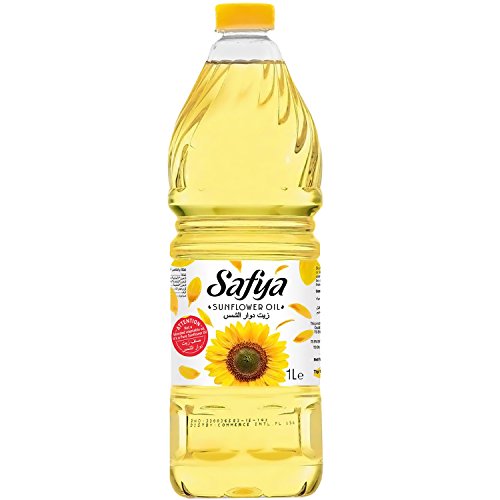
- Safya 100% Pure Sunflower Oil — Best Budget Pick
- Baja Precious High Oleic Sunflower Oil — Best Value Gallon Jug
- Healthy Harvest Non-GMO Sunflower Oil — Best for Turkey Fryers
- Flora Sunflower Oil Cold Pressed & Unrefined — Best for Raw Use & Skin Care
- Buying Guide
- What People Ask
- Key Takeaways
Standout Models in 2026
- #PreviewProductRating
- Bestseller No. 1
 Rating:

- Bestseller No. 2
 Rating:
 - Bestseller No. 3
 Rating:
 - Bestseller No. 4
 Rating:
 - Bestseller No. 5
 Rating:
 - Bestseller No. 6
 Rating:
 - Bestseller No. 7
 Rating:

Our Hands-On Reviews
1. Spectrum Naturals Refined Sunflower Oil — Best Organic Refined Pick
Spectrum Naturals has been a trusted name in organic cooking oils for decades, and this refined sunflower oil is one of the cleanest, most dependable pantry staples we've tested. Made from organically grown sunflower seeds, it undergoes a refining process that strips away impurities while preserving a genuinely neutral flavor profile — no nuttiness, no bitterness, no off notes. The result is an oil that stays completely invisible in recipes, letting other ingredients do the talking.
The smoke point is high enough for frying, sautéing, and baking without producing acrid flavors or unwanted smoke. We used it across a range of applications — roasting vegetables at 425°F, pan-searing chicken, and folding it into baked goods — and it performed cleanly in every case. Buying the pack of three is excellent value for anyone who goes through cooking oil regularly; the bottles are well-sealed and have a long shelf life.
The refining process does remove some of the naturally occurring antioxidants found in unrefined sunflower oil, so this isn't the pick for drizzling raw over salads. But for heat-based cooking with an organic certification, it's hard to beat at this price point.
Pros:
- USDA Organic certified — made from organically grown sunflower seeds
- Completely neutral flavor; won't interfere with dish profiles
- High smoke point suitable for frying, sautéing, and baking
- Pack of 3 offers excellent per-ounce value
Cons:
- Refining removes some naturally occurring antioxidants
- Not ideal for raw applications like salad dressings or dips

2. La Tourangelle Organic High Oleic Sunflower Oil — Best for Everyday Cooking
La Tourangelle is one of the most respected artisanal oil producers on the market, and this organic high-oleic sunflower oil is a flagship example of what they do well. It carries both USDA Organic and CCOF certifications, meaning it meets rigorous standards at every step of production — from seed selection through bottling. The high-oleic designation matters here: it signals an oleic acid content typically above 80%, which dramatically improves the oil's stability at heat and its shelf life compared to standard sunflower oil.
We found this oil to be exceptional for medium-to-high heat cooking. It handled stir-fries, seared proteins, and roasted vegetables without breaking down or generating off flavors. The flavor is genuinely neutral — a quality La Tourangelle delivers consistently across their product line. It also doubles effectively as a skin care oil, which adds real versatility for buyers who want one multipurpose bottle.
The 33.8 fl oz bottle is a practical size for regular household use, and the price reflects the premium organic sourcing. For most buyers looking for a do-everything sunflower oil that performs beautifully in both hot and cold applications, this is our top everyday recommendation.
Pros:
- Dual USDA Organic and CCOF certified — among the highest-standard options tested
- High oleic formula offers superior heat stability and longer shelf life
- Truly neutral flavor; works as a substitute for butter or canola oil
- Versatile — effective for cooking and skin care applications
- Non-GMO and pesticide-free
Cons:
- Premium price point compared to conventional options
- Plastic bottle rather than glass (less premium feel than some competitors)
3. Fresh Press Farms Cold Pressed Extra Virgin Sunflower Oil — Best Unrefined Option
Fresh Press Farms takes a fundamentally different approach from most brands on this list. Rather than refining their oil, they cold press 100% American-grown sunflower seeds from Georgia — a provenance claim that's increasingly meaningful to buyers who want domestic sourcing transparency. Cold pressing without heat or chemicals means the oil retains a richer nutrient profile, including Vitamins E, A, B, C, and D alongside potent Omega-9 fatty acids and naturally occurring polyphenols.
The flavor is the most distinctive on this list — a genuinely rich, buttery character that makes it excellent for salad dressings, dips, and finishing drizzles. We also tested it at medium-to-high heat for searing and sautéing, and it held up well for an unrefined oil. The Whole30, Keto, Paleo, and Gluten-Free certifications broaden its appeal significantly for diet-specific households. The Non-GMO certification rounds out a very strong credentials package.
The trade-off is typical of unrefined oils: it has a lower smoke point than refined varieties and a more assertive flavor, which is a feature in raw applications but can be noticeable in high-heat cooking. For anyone who prioritizes nutritional integrity and domestic sourcing, this is the standout unrefined pick of 2026.
Pros:
- Cold pressed and unrefined — maximum nutrient and polyphenol retention
- 100% American made, Georgia-grown sunflower seeds
- Certified Whole30, Keto, Paleo, and Gluten-Free
- Rich, buttery flavor profile — excellent for raw applications
- Non-GMO certified
Cons:
- Lower smoke point than refined or high-oleic options — not ideal for deep frying
- Distinctive flavor may not suit all high-heat cooking applications
4. Safya 100% Pure Sunflower Oil — Best Budget Pick
Safya delivers 100% pure sunflower seed oil with no additives, blends, or fillers — just clean, premium-quality oil at a price point that makes it an easy everyday choice. It's Non-GMO certified and carries a strong nutritional profile, with a high proportion of Vitamin E and polyunsaturated fatty acids that support heart health when used as part of a balanced diet. The 1-liter bottle (33.8 fl oz) is a practical size for kitchens that go through moderate amounts of oil.
We tested Safya across standard cooking applications — pan-frying eggs, sautéing aromatics, and shallow-frying — and it performed without issue. The high-temperature stability is solid for most everyday cooking tasks. It handles heat reliably and has the clean, neutral flavor profile that makes sunflower oil such a practical pantry staple. According to nutritional data, sunflower oil is one of the richest plant sources of Vitamin E, and Safya's pure formulation preserves that benefit.
For buyers who don't need organic certification or specialty processing but want a reliable, clean-label sunflower oil at a competitive price, Safya is a smart choice. It's not the most versatile or nutrient-dense option on this list, but it delivers solid value for routine cooking.
Pros:
- 100% pure sunflower seed oil — no blends or additives
- Non-GMO certified with a clean label
- High Vitamin E content and healthy polyunsaturated fatty acids
- Practical 1-liter bottle size for everyday household use
- Competitive price per ounce
Cons:
- No organic certification
- Standard sunflower oil (not high-oleic) — shorter shelf life than high-oleic variants
5. Baja Precious High Oleic Sunflower Oil — Best Value Gallon Jug
When volume matters — for commercial kitchens, frequent fryers, or households that simply go through cooking oil fast — the Baja Precious 1-gallon jug is one of the best-value high-oleic options available on Amazon. It's 100% pure high-oleic sunflower oil, expeller pressed and Non-GMO, with no chemical solvents involved in the extraction process. The heavy-duty gourmet foodservice jug with a safety foil seal is built for practical, high-volume use and holds up well under repeated pours.
High-oleic sunflower oil contains significantly more monounsaturated fats (oleic acid) than standard sunflower oil — typically 80% or more — which makes it more resistant to oxidation, more stable at high heat, and longer-lasting on the shelf. Baja Precious delivers all of that in a no-frills, honest formulation. We've used it for extended periods of high-heat cooking without the oil darkening or developing off flavors, which speaks well to its stability.
The brand also markets this oil for skin care, hair care, and a host of other applications, which is accurate — high-oleic sunflower oil is genuinely multi-purpose. For high-volume buyers who want a premium fatty acid profile at gallon-jug pricing, this is our clear pick. It also pairs well with high-heat applications covered in our guide to the best oils for frying fish, where smoke point stability is critical.
Pros:
- 1-gallon format — excellent value per ounce for high-volume users
- High-oleic formula with superior heat stability and shelf life
- Expeller pressed — no chemical solvents used in extraction
- Non-GMO certified and bottled in the USA
- Heavy-duty foodservice jug with safety foil seal
Cons:
- No organic certification
- Gallon size may be impractical for smaller households with limited storage
6. Healthy Harvest Non-GMO Sunflower Oil — Best for Turkey Fryers
Healthy Harvest has built its brand around one core promise: natural processing without compromise. This Non-GMO Project Verified sunflower oil is physically refined without chemicals or hydrogenation, which means it retains naturally occurring antioxidants, Omega-3 fatty acids, and Vitamin E that typically get stripped out during conventional chemical refining. The smoke point sits at approximately 450°F — high enough for deep frying applications including turkey fryers, where sustained high heat is non-negotiable.
We put this through serious heat testing, and it held up impressively. The oil stayed clear and clean for extended frying sessions without breaking down into that characteristic dark, gummy mess that signals an oil past its limit. Traceable to the farm of origin, it also appeals to buyers who care about supply chain transparency. The gallon size makes it genuinely practical for the large-volume oil needs of turkey frying and commercial-scale home cooking.
The no-trans-fat formulation is another meaningful attribute — sunflower oil's natural fatty acid profile is already heart-friendly, and Healthy Harvest's processing method preserves that integrity. For anyone planning to deep-fry at scale in 2026, this is our recommended pick. It outperforms many alternatives in both heat tolerance and nutritional retention.
Pros:
- ~450°F smoke point — well-suited for deep frying and turkey fryers
- Non-GMO Project Verified with farm-of-origin traceability
- Physically refined — retains natural antioxidants, Omega-3s, and Vitamin E
- No trans fats, no hydrogenation, no chemicals in processing
- One-gallon size is ideal for high-volume frying applications
Cons:
- Not USDA Organic certified
- Gallon jug format only — no smaller size option for casual buyers
7. Flora Sunflower Oil Cold Pressed & Unrefined — Best for Raw Use & Skin Care
Flora is a brand with deep roots in premium whole-food supplements and unrefined seed oils, and this cold-pressed sunflower oil exemplifies their philosophy. The standout packaging detail is the dark glass bottle — a genuine functional choice, not just aesthetics. Light is one of the primary causes of oxidative degradation in unrefined oils, and the dark glass shields the oil from UV exposure far more effectively than standard clear or translucent plastic bottles. Flora treats the bottle as part of the product, not an afterthought.
At 17 fl oz, this is the smallest-format option on our list, and it's priced accordingly as a premium product. The cold-pressed, unrefined process preserves the oil's complete nutritional profile — including fat-soluble vitamins, naturally occurring phytosterols, and the antioxidant compounds that refined oils lose. The flavor is mild and clean, with just a subtle natural character that makes it excellent for salad dressings, raw preparations, and as a skin and hair care oil.
We don't recommend this for high-heat cooking — unrefined oils are fundamentally lower in smoke point than their refined counterparts, and Flora's bottle is clearly sized for selective, quality-focused use rather than bulk cooking. But for buyers who want the cleanest possible cold-pressed sunflower oil in optimal protective packaging, Flora is the gold standard. Its nutritional focus also complements health-forward pantry staples like the options we reviewed in our coverage of best safflower oil brands.
Pros:
- Dark glass bottle — best-in-class protection against UV-induced oxidation
- Cold pressed and unrefined — maximum nutrient retention
- Clean, mild flavor ideal for salad dressings and raw applications
- Doubles as a premium skin and hair care oil
- From a brand with a strong track record in whole-food supplements
Cons:
- Small 17 fl oz format — not practical for high-volume cooking
- Premium price per ounce relative to competitors
- Not suited for high-heat cooking applications
Buying Guide: How to Choose the Best Sunflower Oil
Sunflower oil comes in several distinct varieties, and the differences matter more than most buyers realize. Here's what our team looks at before recommending any bottle.
Refined vs. Unrefined vs. High-Oleic
These three categories define most of the meaningful variation in sunflower oil quality and performance:
- Refined sunflower oil is processed with heat or chemicals to remove impurities, flavor compounds, and color. The result is a high smoke point (typically 440–450°F), completely neutral flavor, and long shelf life — ideal for frying, sautéing, and baking. The trade-off is reduced nutritional complexity.
- Unrefined (cold-pressed) sunflower oil preserves more of the natural vitamins, antioxidants, and flavor from the seed. It has a lower smoke point — generally around 225–320°F — making it best suited for raw applications, low-heat cooking, and skin care.
- High-oleic sunflower oil is bred and processed to maximize oleic acid (monounsaturated fat) content, typically above 80%. This dramatically improves heat stability, shelf life, and the overall heart-health profile. Most of the oils on our list are high-oleic for good reason.
Smoke Point and Intended Use
Matching the oil to the cooking application is critical. Using an unrefined oil in a turkey fryer is a genuine safety and quality mistake. Our general guidelines:
- Deep frying / turkey fryers: Choose refined or high-oleic oils with smoke points at or above 440°F — Healthy Harvest and Baja Precious are the picks here.
- Sautéing and stir-frying: Any high-oleic option performs excellently. La Tourangelle and Spectrum Naturals are our go-to recommendations.
- Salad dressings and raw use: Cold-pressed unrefined oils like Fresh Press Farms or Flora deliver the best flavor and nutritional profile.
- Skin and hair care: Cold-pressed, unrefined options — particularly Flora in its UV-protective glass bottle — are the most appropriate choice.
Certifications That Actually Matter
Not all certification seals carry equal weight. Here's how we evaluate them:
- USDA Organic: Confirms no synthetic pesticides or GMO seeds — a meaningful standard for buyers concerned about agricultural inputs.
- Non-GMO Project Verified: Third-party verified, stricter than manufacturer self-labeling. Worth paying attention to.
- CCOF Certification: California Certified Organic Farmers — one of the most rigorous organic certifiers in the US. La Tourangelle holds this one.
- Whole30 Approved / Keto / Paleo: Diet-specific certifications that indicate the oil meets strict formulation standards for those eating approaches.
Packaging and Shelf Life Considerations
Sunflower oil degrades through exposure to heat, light, and oxygen. Packaging matters:
- Dark glass bottles (like Flora's) provide the best protection against light-induced oxidation — ideal for unrefined oils stored on countertops.
- Opaque or dark plastic jugs offer decent light protection for refined oils that are more stable by nature.
- Safety foil seals (as on the Baja Precious jug) are a quality indicator for high-volume containers.
- High-oleic oils consistently outlast standard sunflower oils on the shelf — a practical advantage for anyone buying in larger quantities.
What People Ask
What's the difference between refined and unrefined sunflower oil?
Refined sunflower oil is processed using heat or chemical methods to remove impurities, resulting in a neutral flavor, higher smoke point (around 440–450°F), and longer shelf life. Unrefined or cold-pressed sunflower oil skips those processing steps, retaining more natural vitamins, antioxidants, and flavor — but it has a lower smoke point and shorter shelf life. The right choice depends on the intended use: refined for high-heat cooking, unrefined for raw applications and maximum nutritional benefit.
Is high-oleic sunflower oil healthier than regular sunflower oil?
In most meaningful ways, yes. High-oleic sunflower oil contains 80% or more monounsaturated fat (oleic acid), which is the same heart-healthy fat found in olive oil. Standard sunflower oil is higher in polyunsaturated fats (linoleic acid), which are less stable at heat and oxidize more quickly. For cooking applications, high-oleic sunflower oil is the superior nutritional and performance choice. For raw applications where oxidative stability matters less, standard or unrefined varieties are also excellent.
Can sunflower oil be used for skin care?
Yes — sunflower oil is a well-established carrier oil in skin care. It's lightweight, non-comedogenic for most skin types, and rich in Vitamin E, which supports skin barrier function. Cold-pressed, unrefined options like Flora and Fresh Press Farms are the best choices for topical use because they retain the full complement of naturally occurring nutrients. Refined oils are also skin-safe but have fewer active compounds after processing.
What is the smoke point of sunflower oil?
It depends on the type. Refined sunflower oil has a smoke point of approximately 440–450°F, making it suitable for deep frying, stir-frying, and high-heat roasting. High-oleic refined sunflower oil is similarly stable. Cold-pressed, unrefined sunflower oil has a much lower smoke point — typically 225–320°F — and shouldn't be used for sustained high-heat cooking. Always match the oil type to the heat level of the cooking application.
How should sunflower oil be stored to maximize shelf life?
Store sunflower oil in a cool, dark location away from direct light and heat sources. Exposure to light and oxygen are the primary drivers of rancidity. For unrefined oils especially, dark glass bottles (like Flora's packaging) offer the best built-in protection. Once opened, refined sunflower oil typically keeps well for 6–12 months; high-oleic varieties can last 12–18 months. Unrefined oils are more susceptible to oxidation and are best used within 3–6 months of opening.
Is sunflower oil a good substitute for other cooking oils?
Refined and high-oleic sunflower oil are among the most versatile substitutes available. The neutral flavor profile makes it a direct swap for canola oil, vegetable oil, and in many baking recipes, even melted butter. It also works as a substitute for other neutral oils covered in categories like coconut oil when a flavor-neutral option is needed. For high-heat applications specifically, it performs comparably to avocado oil — at a significantly lower price point.
Buy on Walmart
- Spectrum Naturals Refined Sunflower Oil 32 Oz (Pack of 3) - — Walmart Link
- La Tourangelle, Organic High Oleic Sunflower Oil, Neutral Oi — Walmart Link
- Fresh Press Farms Cold Pressed Extra Virgin Sunflower Oil, 3 — Walmart Link
- Safya - 100% Pure Sunflower Oil, (1 L) 33.8 Fl Oz — Walmart Link
- Baja Precious - High Oleic Sunflower Oil, 1 Gallon Jug - Exp — Walmart Link
- Healthy Harvest Non-GMO Sunflower Oil - Healthy Cooking Oil — Walmart Link
- Flora - Sunflower Oil, Cold Pressed & Unrefined, 17 Fl Oz — Walmart Link
Buy on eBay
- Spectrum Naturals Refined Sunflower Oil 32 Oz (Pack of 3) - — eBay Link
- La Tourangelle, Organic High Oleic Sunflower Oil, Neutral Oi — eBay Link
- Fresh Press Farms Cold Pressed Extra Virgin Sunflower Oil, 3 — eBay Link
- Safya - 100% Pure Sunflower Oil, (1 L) 33.8 Fl Oz — eBay Link
- Baja Precious - High Oleic Sunflower Oil, 1 Gallon Jug - Exp — eBay Link
- Healthy Harvest Non-GMO Sunflower Oil - Healthy Cooking Oil — eBay Link
- Flora - Sunflower Oil, Cold Pressed & Unrefined, 17 Fl Oz — eBay Link
Key Takeaways
- La Tourangelle Organic High Oleic is our top everyday pick for 2026 — it delivers USDA Organic and CCOF certification, genuine heat stability, and true flavor neutrality in one bottle.
- Healthy Harvest is the clear winner for deep frying and turkey fryer applications, with a ~450°F smoke point and farm-traceable Non-GMO certification.
- Fresh Press Farms sets the standard for unrefined, cold-pressed sunflower oil — especially for buyers who prioritize domestic sourcing and full nutrient retention.
- Flora's dark glass bottle makes it the best choice for raw applications and skin care use, where light protection and nutrient integrity matter most.


About Touseef Shaikh
Touseef Shaikh is a food writer and grocery researcher with years of experience evaluating grocery products for nutritional quality, ingredient transparency, and everyday value. His research-driven approach to food product reviews covers pantry staples, snacks, beverages, fresh produce, and organic alternatives — with a focus on helping shoppers make better decisions at the grocery store without spending more than they need to. At GroceriesReview, he covers food and grocery product reviews, buying guides, and meal planning resources.
You can get FREE Gifts. Or latest Free phones here.
Disable Ad block to reveal all the info. Once done, hit a button below