Soups and Broths: Health Benefits, Nutrition, and How to Use Them
by Touseef Shaikh
Research consistently shows that people who eat soup as a first course consume 20% fewer total calories at that meal — a finding replicated across multiple peer-reviewed dietary studies. The health benefits of soups broths extend far beyond appetite regulation: from bone broth's collagen-rich amino acid profile to fiber-dense lentil soup, these kitchen staples deliver concentrated nutrition in a form your body absorbs efficiently. If you're building a smarter pantry or refining your meal planning strategy, the soups and broths resource guide on this site is the foundation you need.
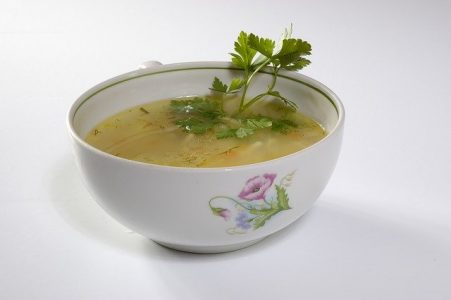
The global soup market surpasses $16 billion annually — and that growth isn't driven by nostalgia. Consumers are increasingly aware that liquid cooking extracts and concentrates nutrients in ways dry or raw preparations simply can't replicate. A well-made broth hydrates, replenishes electrolytes, supplies bioavailable minerals, and supports gut integrity all at once.
This guide covers the nutritional science, strategic kitchen applications, the real divide between beginner and advanced approaches, persistent myths that need correcting, and the practical troubleshooting steps you need when a broth comes out flat or a soup misses the mark. No filler — just what works.
Contents
- The Health Benefits of Soups and Broths: Science and Nutritional Foundation
- Practical Uses: Cooking with Soups and Broths Every Day
- Beginner Pantry Staples vs. Advanced Homemade Techniques
- Five Myths About Soups and Broths You Should Stop Believing
- Troubleshooting Your Soup: When Things Go Wrong
- Frequently Asked Questions
The Health Benefits of Soups and Broths: Science and Nutritional Foundation
Humans have been making soup for at least 20,000 years — long before nutritional science could articulate why it worked. Ancient cultures across Asia, Europe, and the Americas independently developed broth-based remedies for illness, recovery, and daily sustenance. What those early cooks understood intuitively, modern research confirms: liquid cooking extracts minerals, breaks down connective tissue into usable proteins, and delivers nutrients in a bioavailable form that dry food preparation simply cannot match.
The mechanism matters. When you simmer bones or vegetables in water over several hours, you accomplish something profound: collagen breaks down into gelatin, calcium and magnesium leach into solution, and amino acids become freely available for absorption. Your digestive system does significantly less work than it would processing the same nutrients from solid food.
What Makes Broth Nutritionally Distinct
The distinction between broth and other foods lies in its molecular composition. Here's what a properly made broth delivers that most whole foods don't provide in the same accessible form:
- Collagen and gelatin — support gut lining integrity, joint cushioning, and skin elasticity through structural protein replenishment
- Glycine and proline — conditionally essential amino acids that drive liver detoxification pathways and tissue repair processes
- Electrolytes — sodium, potassium, and phosphorus replenish what daily metabolic processes and physical activity deplete
- Glutamine — an amino acid that serves as the primary fuel for intestinal epithelial cells, supporting the gut lining directly
- Trace minerals — silicon, sulfur, and chondroitin from cartilage-rich bones appear in broth in concentrations difficult to achieve through whole food eating alone
According to Wikipedia's overview of bone broth, these nutritional compounds have driven the resurgence of bone broth as a functional food across multiple global culinary traditions.
Key Nutrients Across Common Soups and Broths
Your choice of base — bone broth, vegetable broth, or a full soup — determines exactly what nutritional value you're extracting. The table below reflects typical values for homemade or quality low-sodium store-bought versions.
| Type | Calories (per cup) | Protein (g) | Sodium (mg) | Primary Nutrients |
|---|---|---|---|---|
| Chicken Bone Broth | 35–50 | 6–10 | 400–900 | Collagen, glycine, potassium |
| Beef Bone Broth | 40–60 | 8–12 | 300–700 | Gelatin, proline, zinc, iron |
| Vegetable Broth | 10–25 | 0–2 | 500–900 | Potassium, vitamin C, antioxidants |
| Miso Soup | 35–50 | 2–4 | 600–1000 | Probiotics, manganese, zinc |
| Tomato Soup | 70–120 | 2–4 | 700–1100 | Lycopene, vitamin C, vitamin A |
| Lentil Soup | 130–180 | 9–13 | 500–800 | Iron, folate, dietary fiber, plant protein |
| Chicken Noodle Soup | 100–160 | 8–12 | 800–1200 | Zinc, selenium, B vitamins, cysteine |
Sodium is the variable that most store-bought soups mismanage. Commercial products frequently land at the high end of these ranges. If you're managing blood pressure or simply want to control your intake, always check the nutrition label and choose low-sodium versions as your baseline.
Practical Uses: Cooking with Soups and Broths Every Day
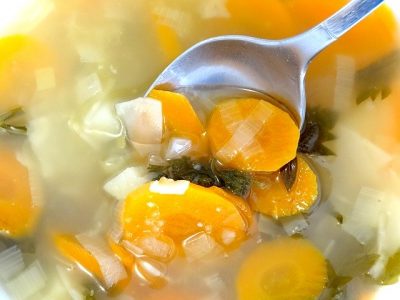
The most common mistake home cooks make is treating soups and broths as a one-note category — something you eat when you're sick or when the temperature drops. That framing wastes the majority of their culinary and nutritional potential. These ingredients function as a foundation for dozens of cooking techniques that simultaneously improve flavor and nutritional density.
Integrating Soups into Your Weekly Meal Plan
Strategic soup placement in your weekly schedule does more than add variety. It controls caloric intake without restriction, boosts vegetable consumption passively, and stretches your grocery budget further than almost any other technique. Here's a systematic approach:
- Sunday batch cook — Simmer a large pot of vegetable or bone broth. Portion into quart jars. Use throughout the week as a cooking liquid, sauce base, or standalone warm drink between meals.
- Pre-meal course — Serve a small bowl of broth-based soup before dinner. Studies confirm this reduces main course consumption by roughly 20% without leaving anyone hungry.
- Leftover integration — Any roasted vegetable, cooked grain, or leftover protein can be repurposed in a broth-based soup within 48 hours. Waste drops dramatically.
- Grain enhancement — Replace plain water with broth when cooking grains. Paired with wild rice — one of the most nutrient-dense grain options available — broth-cooked grains become a complete nutritional package with substantially more flavor than water-cooked versions.
- Freezer portioning — Freeze broth in silicone ice cube trays. Use cubes throughout the week to deglaze pans, enrich sauces, or add depth to any dish without defrosting an entire quart.
Pro insight: Always deglaze your soup pot with a splash of acid — apple cider vinegar, lemon juice, or dry white wine — before adding liquid. It lifts the fond from the bottom and builds layers of flavor that no amount of seasoning added later can replicate.
Beyond the Bowl: Versatile Cooking Applications
Broth is one of the most versatile liquids in a functional kitchen. Apply it anywhere water would produce a flat result:
- Braising — Use broth to braise tougher cuts of meat or root vegetables at low heat. It adds its own collagen and gelatin to whatever the meat releases, creating a self-thickening, richly flavored sauce without a roux.
- Pan sauce foundation — After searing protein, deglaze with broth and reduce by half. Finish with a small knob of butter. Restaurant-quality sauce in under five minutes.
- Mashed potato enrichment — Substitute warm broth for some of the cream or milk in mashed potatoes. You reduce fat while adding savory complexity that butter alone can't deliver.
- Steaming liquid — Add a shallow layer of broth to the bottom of a covered pan when steaming vegetables. The aromatic steam penetrates the vegetables as they cook.
- Risotto base — Risotto made with water is a textural achievement. Risotto made with quality broth is a complete dish. The starchy water released by Arborio rice binds with the broth's gelatin to create the classic creamy consistency without adding cream.

Tomato soup deserves specific mention as a culinary base. Beyond the bowl, it functions as a pasta sauce, braising liquid for chicken thighs, and base for shakshuka. If you're evaluating packaged options, check out the best brands of tomato soup to find one with a short ingredient list and manageable sodium content that works across all these applications.
Beginner Pantry Staples vs. Advanced Homemade Techniques
Where you start with soups and broths depends on your current skill level and available time. Both store-bought and homemade have legitimate value. The decision is about understanding what you're trading off in each direction.
Choosing the Right Store-Bought Options
When stocking your pantry, apply these selection criteria consistently:
- Sodium content — Target anything under 570mg per serving for "low sodium." Anything over 700mg limits versatility. You can add salt; you cannot remove it.
- Ingredient list length — A quality broth has 6–10 ingredients. Longer lists with yeast extract, modified starches, and vague "natural flavors" signal a weak base disguised by additives.
- Protein content — Bone broth should deliver at least 6g of protein per cup. Lower values indicate dilution or poor-quality source material.
- Container type — Cartons over cans when possible. BPA-free packaging reduces chemical migration into the liquid, particularly relevant for acidic tomato-based products.
- Gelatin test — Quality bone broth solidifies when refrigerated. If your store-bought bone broth stays liquid when cold, it lacks the collagen concentration that justifies the premium price.
Making Broth from Scratch
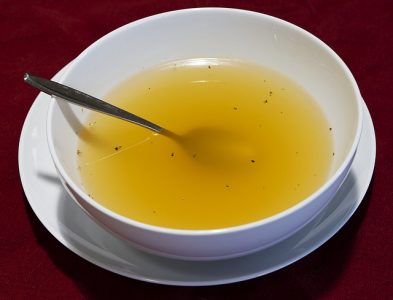
Homemade broth gives you full control over sodium, ingredient quality, and concentration. The process requires time but not complexity. Here's the standard workflow for bone broth:
- Source quality bones — Chicken backs, feet, necks, and carcasses. Beef knuckles, marrow bones, and oxtail. Ask your butcher specifically for "soup bones" — they're typically cheap because most customers don't request them.
- Roast first — Spread bones on a sheet pan and roast at 425°F for 30–40 minutes before simmering. This triggers Maillard reaction compounds that create a darker, richer, more complex flavor that simmering alone cannot produce.
- Add aromatics — Onion, celery, carrot, garlic, bay leaves, black peppercorns, and fresh thyme. No need to peel or cut precisely — everything gets strained out later.
- Add acid — One tablespoon of apple cider vinegar per quart of cold water before heat is applied. The acid environment draws minerals out of the bones into the liquid during the long simmer.
- Simmer at the correct temperature — Chicken broth: 4–6 hours. Beef or lamb: 12–24 hours. The target is a bare simmer with occasional small bubbles, never a rolling boil. Boiling emulsifies fat into the broth and creates a murky, greasy result.
- Strain, cool, and degrease — Pass through a fine-mesh strainer. Cool quickly in an ice bath. Refrigerate overnight, then lift the solidified fat cap off in one piece before using or freezing.
Five Myths About Soups and Broths You Should Stop Believing
The genuine health benefits of soups broths get distorted by persistent misinformation circulating in wellness spaces and food media. Here's what the evidence actually shows:
- Myth 1: "Canned soup has no real nutritional value." — False. Quality low-sodium canned soups retain significant fiber, protein, and micronutrients from their ingredients. The issue with most commercial soups is sodium content and additive density, not total nutrition. Read the label instead of writing off the category.
- Myth 2: "Bone broth cures leaky gut." — Overstated. Bone broth supports gut lining health through glutamine and gelatin, but it's one contributing factor in a complex system. Treating it as a standalone cure while ignoring the rest of your diet produces no meaningful results.
- Myth 3: "Chicken soup only helps colds as a placebo." — Incorrect. Research indicates that cysteine released during chicken cooking has genuine mucolytic properties — it helps thin and clear mucus from airways. The hot liquid itself also supports nasal drainage. There's real biochemistry behind the folk remedy.
- Myth 4: "Vegetable broth and bone broth are nutritionally equivalent." — Not accurate. Vegetable broth provides antioxidants, some potassium, and modest mineral content. Bone broth provides collagen, gelatin, glycine, proline, and a substantially different amino acid profile. They're complementary, not interchangeable — and using them that way means you're missing the specific benefit of each.
- Myth 5: "Longer simmering time always produces better broth." — Only partially true. Chicken broth peaks in quality around 6 hours. Extended simmering past that point can cause some flavor compounds to break down into bitter-tasting smaller molecules. More time is not automatically better — follow type-specific timing.
Troubleshooting Your Soup: When Things Go Wrong
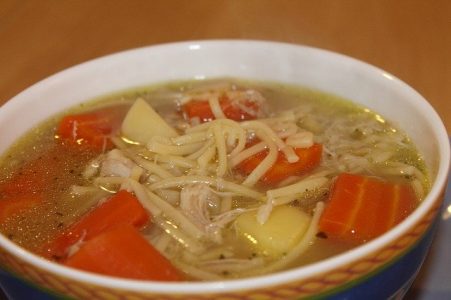
Even experienced cooks encounter problems with soups and broths. Most issues have direct, fixable causes once you understand the underlying mechanism — guessing rarely resolves them.
Fixing a Flat or Bland Broth
A broth that tastes like warm water means something failed during sourcing, ratios, or technique. Work through this diagnostic sequence:
- Verify your bones-to-water ratio — Too much water dilutes everything. Start at 1 pound of bones per quart of water and adjust from there rather than filling your pot with water first.
- Add salt progressively during cooking — Salt amplifies existing flavors, it doesn't just add saltiness. A small addition mid-cook followed by a final adjustment at the end produces far better results than salting only at the end.
- Reduce to concentrate — If the flavor profile is present but faint, simmer uncovered for 20–30 minutes. Concentration is the fastest corrective measure for weak broth without adding any ingredients.
- Layer umami — Add a parmesan rind during the final 30 minutes, stir in a teaspoon of white miso paste before serving, or add a small amount of fish sauce. These additions add savory depth without changing the character of the broth.
- Finish with acid and fresh herbs — A squeeze of lemon and a handful of fresh parsley added after cooking brightens flavors that have gone flat during extended simmering. Acid is the most underused finishing tool in broth cookery.
Dealing with Cloudy or Greasy Results
These are separate problems that require separate solutions. Don't treat them as the same issue:
- Cloudy broth — Caused exclusively by boiling too aggressively. If your broth is already cloudy, strain it through a fine-mesh strainer lined with a dampened coffee filter — it will clarify significantly. For prevention, maintain the lowest possible simmer from the start: just one or two bubbles breaking the surface per second.
- Greasy broth — The most efficient fix is refrigeration. Chill the finished broth overnight. Fat solidifies into a white cap on the surface. Lift it off cleanly in one piece. Skimming fat from hot broth is labor-intensive and captures maybe 70% of what refrigeration removes in full.
- Both problems simultaneously — Usually indicates an imbalanced ratio of marrow bones to joint bones. Marrow contributes fat; joints contribute gelatin. Adjust your next batch by reducing marrow bones by half and adding more knuckles or feet.
- Broth that never gels when cold — Your collagen content was too low. Source more cartilage-rich bones: chicken feet, beef knuckles, pork trotters. These are the bones that deliver gelatin — marrow bones alone will not produce a gelling broth regardless of simmer time.
Frequently Asked Questions
What is the difference between broth and stock?
Broth is made primarily from meat and vegetables, producing a lighter, more flavorful liquid you can drink on its own or use as a soup base. Stock is made primarily from bones and connective tissue, resulting in a gelatinous, collagen-rich liquid used more as a cooking foundation than a standalone beverage. The terms are used interchangeably in everyday cooking, but they deliver meaningfully different textures and nutritional profiles — stock gels when cold, broth typically does not.
How often should you consume bone broth to see health benefits?
Most practitioners recommend one to two cups daily for at least three to four consecutive weeks before evaluating effects on joint comfort, digestion, or skin quality. The health benefits of soups broths are cumulative — occasional consumption provides hydration and some nutrition, but the collagen and amino acid compounds that support gut lining, joints, and connective tissue require consistent daily intake to reach meaningful concentrations in your system.
Is store-bought broth as healthy as homemade?
Quality store-bought bone broth from reputable brands can be nutritionally solid, provided it delivers at least 6g of protein per cup and uses a short ingredient list. The primary difference from homemade is sodium content — commercial products are typically much higher. Choose low-sodium or unsalted options whenever possible and season yourself at the point of use so you control the final salt level.
Can you freeze homemade broth, and how long does it last?
Yes — homemade broth freezes exceptionally well, maintaining quality for up to six months in a standard freezer when stored in airtight containers. In the refrigerator, it keeps for four to five days. Well-made bone broth solidifies into a gel when refrigerated — this is a reliable quality indicator, not a sign of spoilage. Liquid cold broth indicates low collagen content, meaning the batch needed more cartilage-rich bones or a longer simmer time.
A well-made broth is the most honest thing in your kitchen — it hides nothing, rewards patience, and quietly elevates everything it touches.


About Touseef Shaikh
Touseef Shaikh is a food writer and grocery researcher with years of experience evaluating grocery products for nutritional quality, ingredient transparency, and everyday value. His research-driven approach to food product reviews covers pantry staples, snacks, beverages, fresh produce, and organic alternatives — with a focus on helping shoppers make better decisions at the grocery store without spending more than they need to. At GroceriesReview, he covers food and grocery product reviews, buying guides, and meal planning resources.
You can get FREE Gifts. Or latest Free phones here.
Disable Ad block to reveal all the info. Once done, hit a button below