The Best Sauces for Salmon Burgers
by Touseef Shaikh
What separates a forgettable salmon burger from one people actually talk about afterward? Nine times out of ten, it's the sauce. The best sauces for salmon burgers strike a balance between complementing the fish's rich, oily flavor and adding something fresh and bright on top. You don't need a complicated recipe or exotic ingredients to pull it off — just the right direction. This guide covers everything from pantry staples to quick combos, honest comparisons, and the mistakes most people make without realizing it. If you want a broader look at condiments beyond salmon burgers, our guide to the best sauces to add delicious flavor to your food is a helpful read alongside this one.
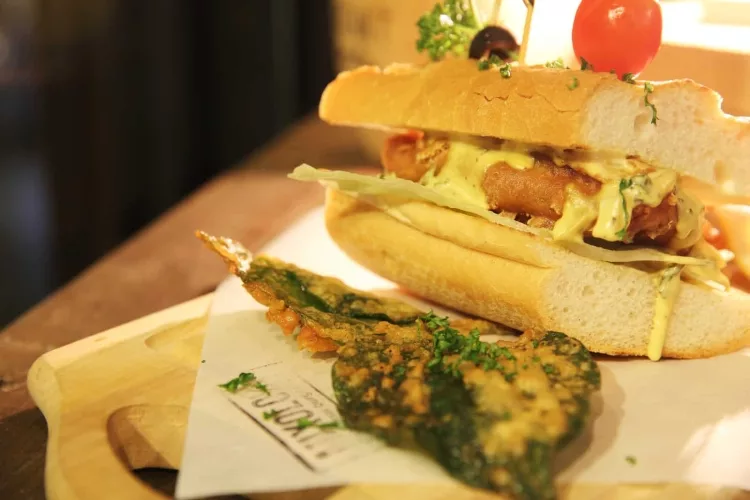
Salmon burgers have steadily become a go-to option for people who want something lighter than beef but more satisfying than a veggie patty. Salmon is naturally rich in omega-3 fatty acids and protein, which gives it a distinctive, bold taste that holds up well on a bun. That richness is also what makes choosing the wrong sauce such a common pitfall. Too heavy, and you lose the salmon entirely. Too sharp, and the flavors fight each other. The sweet spot is a sauce that lifts the fish rather than smothering it.
The good news is that once you understand the basic principles, getting it right is very straightforward. Whether you're making a quick weeknight dinner or putting together a spread for friends, the options below give you plenty of places to start — from simple store-bought picks to five-minute blends you can throw together with what's already in your fridge.
Contents
- What Makes the Best Sauces for Salmon Burgers
- The Pantry Staples Behind Great Salmon Burger Sauces
- Tips for Pairing Sauces With Your Salmon Burger
- Quick Sauce Combos Ready in Under Five Minutes
- Homemade vs. Store-Bought: An Honest Comparison
- Common Sauce Mistakes That Ruin a Salmon Burger
- Frequently Asked Questions
- Next Steps
What Makes the Best Sauces for Salmon Burgers
Flavor Balance Matters
Salmon has a naturally strong flavor profile — fatty, savory, and slightly earthy depending on how it's prepared. The best sauces for salmon burgers work with that profile rather than against it. You're generally looking for something that brings a little acidity to cut through the richness, some creaminess to hold everything together on the bun, and a hint of freshness from herbs or citrus. Think of the sauce as a supporting player, not the star. The most popular choices — lemon dill aioli, tartar sauce, and sriracha mayo — all follow this same logic. They add flavor without completely masking what the burger actually tastes like.
A well-chosen sauce should make you more aware of the salmon, not less. That's the simplest test you can apply when deciding whether a sauce is working: does it make the fish taste more like itself, or does it drown it out?
Texture and Consistency
Texture matters more than people tend to give it credit for. A sauce that's too thin will drip off and soak into the bun before you even take a bite. A sauce that's too thick can clump and make every bite feel dense. The ideal consistency is somewhere in the middle — spreadable but not gummy. If you're making your own, you can usually adjust texture by adding a small splash of lemon juice to loosen it or an extra spoonful of mayo to thicken it. Small adjustments go a long way.
The Pantry Staples Behind Great Salmon Burger Sauces
You don't need to visit a specialty store to make a great salmon burger sauce. Most of the building blocks are probably sitting in your kitchen right now. Understanding what each ingredient does gives you the confidence to mix and match on your own rather than always following a recipe step by step.
Creamy Bases
Mayonnaise, Greek yogurt, and sour cream are the three most useful bases. Mayonnaise gives the richest result, Greek yogurt is tangy and slightly lighter, and sour cream sits between the two. Each one works on its own or as a blend. If you prefer something dairy-free, a good-quality vegan mayo does the job just as well. Our condiments guide covering mustard, horseradish, and more goes deeper into some of these building blocks if you want to explore further.
Acids and Brighteners
Lemon juice, lime juice, and vinegar — particularly apple cider or white wine vinegar — are your go-to acid sources. They cut through fat and wake up every other flavor in the sauce. Even a half teaspoon can be the difference between a flat-tasting sauce and one that pops. Capers, which are small pickled flower buds with a briny and tangy bite, add a similar brightness and are a classic pairing with salmon.
Pro tip: Add lemon juice a little at a time and taste as you go — it's much easier to add more acid than to fix a sauce that's already too sharp.
Herbs and Seasonings
Fresh or dried dill is the most traditional pairing with salmon, but chives, parsley, and tarragon also work well. Garlic — raw or roasted — adds depth, and a pinch of smoked paprika can tie the sauce nicely to a grilled or pan-seared patty. One or two herbs is usually enough. Stacking too many tends to muddy the sauce rather than elevate it. Keep it simple and you'll get more out of every ingredient you use.
Tips for Pairing Sauces With Your Salmon Burger
Match the Sauce to Your Cooking Method
How you cook your salmon burger should shape which sauce you reach for. Grilled salmon burgers develop a slight char and smokiness that pairs naturally with a tangy, herby sauce like lemon dill aioli or a chipotle mayo. Pan-seared patties tend to be crispier on the outside and work well with creamy, mild options like tartar sauce or a simple garlic mayo. Baked or air-fried salmon burgers are usually milder in overall flavor, so they can handle something bolder without being overwhelmed. The cooking method gives you a useful starting point before you even open the refrigerator.
Consider Your Other Toppings
Sauce doesn't live in a vacuum on your burger. If you're already adding pickled onions, cucumber slices, or sliced avocado, a creamy or mildly tangy sauce might be all you need. Adding a spicy sauce on top of jalapeños doubles up on heat — which some people enjoy, but it can tip quickly into overwhelming. Take a step back and look at the full picture of your burger before committing to a sauce. You want balance across everything, not just in one component.
Tip: If your burger already has a tangy topping like pickles or pickled onions, go with a milder, creamier sauce rather than adding more acid to an already sharp build.
Thinking about your toppings also means thinking about produce quality. If you want to know how to choose the freshest vegetables and garnishes to layer onto your burger, our guide on telling when fruits and vegetables are ripe and ready to eat is worth a quick look before your next grocery run.
Quick Sauce Combos Ready in Under Five Minutes
Sometimes you just need something fast. These three combos each take under five minutes and use ingredients you likely already have on hand. None of them require cooking, blending, or any special equipment.
Lemon Dill Sauce
Mix together half a cup of mayonnaise or Greek yogurt, one tablespoon of fresh lemon juice, one teaspoon of dried dill (or a tablespoon of fresh), one small clove of garlic minced fine, and a pinch of salt. That's the whole recipe. This is the most classic combination for salmon, and it works reliably every time. It keeps well in the fridge for up to five days in a sealed container, so you can make a batch ahead of time and use it throughout the week.
Sriracha Mayo
Combine three tablespoons of mayonnaise with one to two teaspoons of sriracha, depending on how much heat you want. Add a small splash of rice vinegar or lime juice to brighten the whole thing. This is particularly good on grilled salmon burgers with crisp lettuce and pickled cucumber. Start with less sriracha and taste before adding more — the heat builds quickly and it's easy to overshoot without realizing it.
Avocado Lime Cream
Mash half a ripe avocado with one tablespoon of lime juice, two tablespoons of sour cream or Greek yogurt, and a pinch of salt. The result is a thick, creamy sauce with a mild tang that works especially well with lighter salmon patties. This one is best made fresh and used the same day, since avocado browns quickly once it's been cut and mixed. If you're making it for a gathering, squeeze a little extra lime juice on top of the finished sauce to slow the browning down.
Homemade vs. Store-Bought: An Honest Comparison
There's no wrong answer here. Both homemade and store-bought sauces have real advantages depending on your situation, your schedule, and what you're trying to get out of the meal. The table below gives you a quick side-by-side so you can decide what fits your setup best.
| Factor | Homemade Sauce | Store-Bought Sauce |
|---|---|---|
| Time required | 5–15 minutes | Ready immediately |
| Ingredient control | Full control | Limited |
| Freshness | Very fresh, short shelf life | Longer shelf life |
| Customization | Easy to adjust to taste | Fixed flavor profile |
| Cost per serving | Generally lower | Generally higher |
| Sodium and preservatives | You control both | Often higher in both |
| Convenience | Requires prep | No prep needed |
When Store-Bought Makes Sense
If you're short on time, cooking for a crowd, or simply not in the mood to mix things together, a quality store-bought tartar sauce, chipotle mayo, or remoulade (a creamy, slightly tangy French-style condiment) will serve you well. Look for options with shorter ingredient lists and without high-fructose corn syrup. Many grocery stores now carry better-quality versions in their organic or specialty food sections. You can browse brand comparisons and buying guides in the resources section of GroceriesReview to narrow down your choices before you shop.
When Homemade Is Worth It
Homemade sauce gives you full control over salt, acid, and herb levels — which matters more than it might seem. If someone in your household is watching sodium, or if you want to match the sauce precisely to your other burger ingredients, making your own is the clearer choice. It also tends to taste fresher. The five-minute combos listed above are genuinely quick and require almost no cleanup, which makes the barrier to homemade much lower than most people expect.
Note: Homemade sauces without preservatives should be used within three to five days when stored in a sealed container in the refrigerator — and avocado-based sauces are best consumed the same day.
Common Sauce Mistakes That Ruin a Salmon Burger
Even with the right sauce in hand, a few common missteps can undercut everything you've built. These are the ones most worth knowing about before you sit down to eat.
Going Too Heavy
Using too much sauce is one of the most frequent mistakes people make. A salmon burger is already flavorful and moist on its own. Too much sauce turns the bun soggy and buries the fish entirely beneath a wall of condiment. A reliable rule of thumb: spread one to two tablespoons on each bun half, and stop there. If you genuinely love a lot of sauce, serve extra on the side as a dip rather than loading it all directly onto the burger. You get the same flavor hit without losing the texture you worked to build.
Ignoring the Rest of the Burger
Sauce doesn't operate independently from everything else on the bun. If your toppings are already rich — think creamy avocado slices or a soft poached egg — a heavy mayo-based sauce on top will make the whole thing feel dense and one-note. If your bun is toasted and your toppings are crisp, a runny sauce will undo that texture quickly. Think about the complete eating experience before you choose. A light, herby yogurt sauce might be exactly what a loaded salmon burger needs to feel balanced rather than heavy. And if you're still building your foundation of everyday condiments, our guide to condiments like mustard and horseradish is worth exploring — both work their way into custom salmon sauces more often than you'd expect.
Frequently Asked Questions
What is the best sauce for a salmon burger?
Lemon dill aioli is widely considered the classic choice because the dill and citrus complement salmon's natural flavor without overpowering it. That said, sriracha mayo and tartar sauce are equally popular. The best sauce really depends on your personal taste and what other toppings you're using alongside the fish.
Can I use tartar sauce on a salmon burger?
Yes, tartar sauce is one of the most natural pairings for salmon burgers. Its tangy, creamy base — usually made with mayo, pickles, and lemon juice — cuts through the richness of the fish and adds a pleasant brightness. Look for versions with capers if you want a slightly more complex flavor.
Is Greek yogurt a good base for salmon burger sauce?
Greek yogurt is an excellent base, especially if you want something lighter than mayonnaise. It adds mild tanginess and a thicker consistency that holds up well on a bun. Mix it with lemon juice, dill, and a little garlic and you have a very solid sauce in under two minutes.
What herbs go best with salmon burger sauces?
Dill is the most classic pairing, followed closely by chives and parsley. Tarragon works well in more French-style preparations. Fresh herbs have a brighter, cleaner flavor than dried, but dried herbs are a fine substitute — just use about one-third the amount since they're more concentrated.
How long does homemade salmon burger sauce last in the fridge?
Most homemade sauces made with mayo or yogurt will keep for three to five days in a sealed container in the refrigerator. Sauces containing fresh avocado should be used the same day, since avocado browns quickly once cut. Always give a stored sauce a quick taste before using it if it has been sitting for a few days.
Can I make a dairy-free sauce for salmon burgers?
Absolutely. Vegan mayonnaise works just as well as regular mayo in most sauce recipes. For something creamier without dairy, mashed avocado with lime juice and a drizzle of olive oil makes a simple, naturally dairy-free sauce. Most of the quick combos in this guide can be adapted easily with vegan-friendly swaps.
What types of sauces should I avoid on a salmon burger?
Very sweet sauces — like most barbecue sauces or sweet chili sauce — tend to clash with salmon's savory depth. Extremely vinegar-heavy sauces can also overpower the fish when used in large amounts. That said, a small amount of either can work as an accent element rather than a primary sauce, especially when balanced with a creamy base.
Next Steps
- Pick one of the three quick sauce combos — lemon dill, sriracha mayo, or avocado lime cream — and try it with your next salmon burger this week. Starting with one concrete recipe is more useful than bookmarking five.
- Check your pantry for the core ingredients: a creamy base (mayo, Greek yogurt, or sour cream), a citrus source, and at least one herb. Restock anything that's missing on your next grocery run so you're always ready to make a sauce from scratch.
- Before you choose a sauce, lay out all of your planned toppings first and think about the overall flavor and texture balance — then choose a sauce that fills the gap rather than doubling up on what's already there.
- If you prefer store-bought, spend a few minutes comparing ingredient labels the next time you're in the condiment aisle. Look for shorter lists, lower sodium, and no high-fructose corn syrup as your basic filters.
- Visit the resources section on GroceriesReview to explore in-depth product reviews and buying guides that can help you choose quality sauces and condiments with more confidence.


About Touseef Shaikh
Touseef Shaikh is a food writer and grocery researcher with years of experience evaluating grocery products for nutritional quality, ingredient transparency, and everyday value. His research-driven approach to food product reviews covers pantry staples, snacks, beverages, fresh produce, and organic alternatives — with a focus on helping shoppers make better decisions at the grocery store without spending more than they need to. At GroceriesReview, he covers food and grocery product reviews, buying guides, and meal planning resources.
You can get FREE Gifts. Or latest Free phones here.
Disable Ad block to reveal all the info. Once done, hit a button below