Baking Mixes: What They Are and How to Use Them
by Touseef Shaikh
If you want a reliable shortcut to delicious homemade bakes, the best baking mixes for home bakers are exactly what you're looking for. A baking mix is a pre-blended combination of dry ingredients — typically flour, leavening agents like baking powder or baking soda, sugar, and sometimes powdered fat — so you only need to add a few wet ingredients to get started. Whether you're rushing through a weeknight dinner party or enjoying a lazy Sunday brunch, there's a mix built for your moment. Explore the GroceriesReview pantry essentials guides for more product picks that simplify cooking at home.
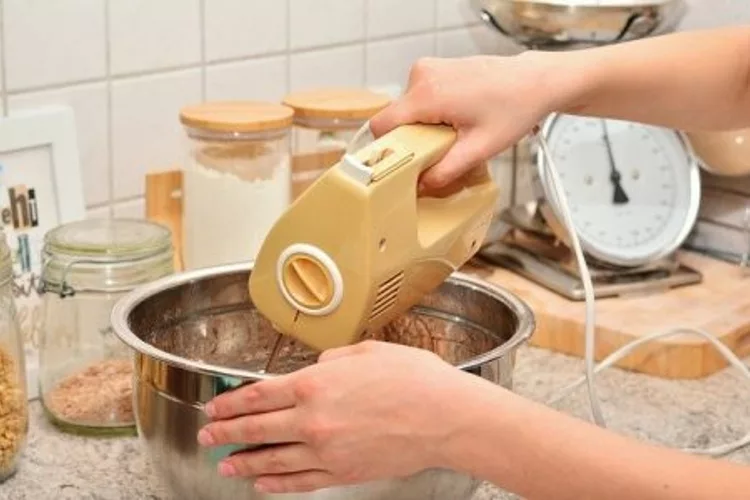
Baking mixes have been a kitchen staple for nearly a century. According to Wikipedia's overview of commercial baking mixes, early blends like Bisquick became popular in the 1930s as a way to standardize recipes and reduce prep time in the home kitchen. Fast forward to today, and the variety is staggering — you'll find mixes for fluffy pancakes, fudgy brownies, tender cakes, savory cornbread, crusty artisan-style bread, and much more.
Understanding how these mixes work — and how to pick the right one for your needs — can genuinely change your results. This guide walks you through the most common types, top brands, smart ingredient swaps, and clever tricks to make every box taste like it came from scratch.
Contents
What You Can Make with Baking Mixes
Baking mixes aren't just for birthday cakes. Once you start exploring the category, you'll realize they cover a surprisingly broad range of everyday baked goods. Here's a breakdown of the main types and what they're best suited for.
Breakfast Mixes
Morning baking is where mixes really shine. They're quick, forgiving, and ideal for feeding a crowd with minimal cleanup. Common breakfast mix types include:
- Pancake mixes — Just add water for the quickest version, or use milk and an egg for fluffier, richer results. If you follow a plant-based diet, our guide to the best vegan pancake mix brands covers dairy-free options that still deliver on texture and taste.
- Waffle mixes — Similar to pancake mixes but often formulated with higher fat content for crispier edges. If you've ever wondered whether waffles actually fit into a healthy diet, our breakdown of whether waffles are bad for you answers that honestly.
- Muffin mixes — Blueberry, bran, and corn varieties are most common. Stir in fresh fruit, nuts, or chocolate chips before baking for a simple upgrade.
- Biscuit mixes — Bisquick is the gold standard here. It's versatile enough for biscuits, dumplings, cobblers, and shortcake.
For more morning ideas that go beyond baking, check out the GroceriesReview guide to breakfast cereals and morning pantry staples.
Dessert and Treat Mixes
Dessert mixes account for the largest slice of the baking mix market — and for good reason. They're consistent, easy to store, and produce crowd-pleasing results with almost no skill required.
- Cake mixes — Yellow, chocolate, red velvet, carrot cake, lemon — the variety is enormous. Most need eggs, oil, and water.
- Brownie mixes — Among the easiest mixes to use. Many only require two or three ingredients beyond what's in the box.
- Cookie mixes — Chocolate chip, snickerdoodle, and sugar cookie mixes are widely available and take about 10 minutes of hands-on time.
- Quick bread mixes — Banana bread, pumpkin bread, and zucchini bread mixes are popular for using up ripe fruit and vegetables.
Pro tip: For richer, fudgier brownies, swap the water in your mix for strongly brewed coffee — it deepens the chocolate flavor dramatically without making them taste like coffee at all.
Savory Baking Mixes
Don't sleep on the savory side of the baking mix aisle. These are underrated and incredibly useful for weeknight dinners.
- Cornbread mixes — Perfect alongside soups, chilis, and barbecue. Brands like Jiffy are inexpensive and reliable; others like Bob's Red Mill offer more artisan-style results.
- Pizza dough mixes — More satisfying than frozen pizza and easier than making dough from scratch. Just add water and a little olive oil.
- Bread mixes — Whole wheat, multigrain, and sourdough-style mixes let you bake real bread at home without needing a starter or much technique.
- Herb and cheese biscuit mixes — Popular for pairing with soups or serving as a side dish at dinner parties.
Best Baking Mixes for Home Bakers: Top Brands Worth Trying
The market is stacked with options, from familiar supermarket staples to specialty brands targeting specific dietary needs. Here's a look at the most recognized names and what makes each one stand out.
Brand Comparison at a Glance
| Brand | Best For | Key Feature | Diet Notes |
|---|---|---|---|
| Betty Crocker | Cake and brownie mixes | Huge variety, consistent results, widely available | Standard (limited GF/vegan) |
| Bisquick | Pancakes, biscuits, dumplings | Multi-purpose all-in-one mix | Gluten-free version available |
| King Arthur Baking | Premium quality bakes | High-quality ingredients, no artificial flavors or colors | Gluten-free line available |
| Bob's Red Mill | Gluten-free and whole grain | Certified GF, natural ingredients, non-GMO | GF and vegan-friendly options |
| Krusteaz | Pancakes, waffles, cornbread | Exceptionally fluffy texture, easy prep | Some GF options |
| Ghirardelli | Premium brownie mixes | Rich, deep chocolate flavor with real cocoa | Standard |
| Simple Mills | Clean-label baking | Almond flour base, minimal ingredients | GF, paleo-friendly |
Specialty and Diet-Friendly Brands
If you have dietary restrictions, the good news is the specialty mix market has expanded significantly in recent years. You don't have to give up baked goods just because you're eating gluten-free, vegan, or low-carb.
- Gluten-free mixes — Bob's Red Mill, King Arthur, and Cup4Cup all offer reliable GF versions of pancake, cake, and pizza dough mixes. Results do vary by brand, so check reviews for the specific mix you're buying.
- Vegan mixes — Look for mixes that don't contain milk powder or dried egg. Many work perfectly with plant-based milk and a flax egg (1 tablespoon ground flaxseed mixed with 3 tablespoons water, rested 5 minutes).
- Keto and low-carb mixes — Almond flour-based mixes are increasingly common. Check the sweetener list carefully — some use maltitol, which can still affect blood sugar levels.
- Organic mixes — Brands like Simple Mills, Thrive Market, and Arrowhead Mills offer organic certified options with significantly cleaner ingredient lists than conventional mixes.
It's always worth flipping the box over. Look for artificial flavors, partially hydrogenated oils, and added preservatives — they're more common in budget brands than you might expect.
From Simple Boxes to Creative Upgrades
Baking mixes are designed to work for everyone, but how you use them naturally evolves as your confidence in the kitchen grows. Whether you're just starting out or you've been baking for years, there's a way to make box mixes work for your skill level.
Starting Out: What Beginners Should Know
If you're new to baking, mixes are one of the best entry points available. They remove the guesswork around ratios and measurements so you can focus entirely on technique.
- Read the entire box before you begin. Know exactly what additional ingredients you need — eggs, oil, milk — before you start mixing anything.
- Use the exact pan size the box recommends. Too small and your bake overflows; too large and it spreads thin and comes out flat.
- Don't overmix. Most mixes say to stir until just combined. A few lumps are typically fine and often produce better texture than a perfectly smooth batter.
- Preheat your oven fully before putting anything in. Skipping this step leads to uneven baking and dense results.
- Use the toothpick test to check doneness. Insert it in the center — if it comes out clean or with just a couple of moist crumbs, you're done.
Brownie mixes and simple pancake mixes are the most forgiving starting points. Nail those a few times and you'll quickly feel confident enough to experiment.
Heads up: Always check the expiration date on your mix before baking — leavening agents like baking powder lose potency over time, and an expired mix can result in flat, dense baked goods even if you do everything else right.
Advanced Uses for Experienced Bakers
Once you're comfortable in the kitchen, a baking mix becomes a canvas rather than a recipe. Experienced bakers use them as a foundation and build from there.
- Layer cakes from a box — Use a standard cake mix as your base, then pair it with homemade buttercream frosting, fresh fruit fillings, or flavored simple syrups brushed between layers.
- Pudding mix trick — Add a small box of instant pudding mix (matching or contrasting flavor) directly to a cake mix batter for an extra-moist, bakery-style crumb.
- Muffin mix as quick bread — Many muffin mixes translate easily into a loaf pan with adjusted baking time, typically 10–15 minutes longer than the muffin instructions.
- Pancake mix as a baking shortcut — A quality pancake mix can be used for waffles, quick muffins, fritters, and even a simple shortcake base.
- Layering flavor with mix-ins — Fold in toasted nuts, chocolate chunks, dried fruit, shredded coconut, or citrus zest after combining wet and dry ingredients.
If you enjoy working with alternative flours, our rice flour guide covers different flour types and how they behave in baking — useful context when you're blending mixes with specialty flours. And if you enjoy creative pantry baking, the Erin Baker's Granola Applesauce Cake recipe shows how pantry staples can take a basic baked good somewhere unexpected.
Tips for Getting the Best Results Every Time
Even when you're using the best baking mixes for home bakers, your technique still matters. A handful of small adjustments can be the difference between okay and genuinely impressive.
Measuring and Mixing
- Use room temperature ingredients. Cold eggs or refrigerator-cold milk can cause batter to seize or bake unevenly. Set them out 20–30 minutes before you start.
- Measure liquids in a liquid measuring cup — the kind with a spout — not a dry measuring cup. The meniscus (the slight curve at the surface of the liquid) matters for accuracy.
- Spoon dry mix into measuring cups and level off with a straight edge. Scooping directly from the bag packs in too much and can make baked goods dense.
- Mix only as much as the recipe specifies. Overmixing develops gluten and makes cakes and muffins tough rather than tender.
- Rotate your pan halfway through baking if your oven runs hot on one side. Most home ovens have hot spots.
Ingredient Swaps That Work
You don't have to follow the box to the letter. These swaps are widely tested and reliably improve results:
- Oil → melted butter: Adds richer flavor and a slightly crispier edge, especially in brownies and coffee cakes.
- Water → milk or buttermilk: Significantly improves moisture, tenderness, and overall depth of flavor.
- Whole eggs → extra yolks: Replacing one whole egg with two yolks produces a richer, denser crumb in cakes.
- Standard milk → plant-based milk: Almond, oat, and soy milk all work in most mixes. Oat milk is usually the most neutral in flavor.
- Add sour cream or Greek yogurt: Replacing some of the liquid with full-fat sour cream or Greek yogurt creates a noticeably more tender crumb in cakes.
Easy Hacks That Make Box Mixes Taste Homemade
You don't have to announce you used a mix. With the right additions, your baked goods can taste every bit as good as something made entirely from scratch — and most guests won't be able to tell the difference.
Flavor Boosters
- Add a teaspoon of pure vanilla extract to any sweet mix, even if vanilla is already listed on the label. It noticeably deepens the overall flavor.
- Add a small pinch of fine sea salt to sweet mixes that don't call for it. Salt balances sweetness and makes flavors pop.
- Stir a tablespoon of espresso powder into chocolate cake or brownie mixes. It amplifies the chocolate without making anything taste like coffee.
- Use browned butter instead of regular melted butter. The nutty, caramel-like notes it adds to brownies and cookies are hard to replicate any other way.
- Add fresh citrus zest — lemon, orange, or lime — to muffin, pancake, or quick bread mixes for an aromatic brightness that feels genuinely fresh.
Texture Tricks
- Underbake brownies by two or three minutes and let them cool completely in the pan. This is the single most reliable way to get that dense, fudgy center every time.
- Let pancake batter rest for five minutes before cooking. Resting activates the leavening and creates noticeably fluffier results without any extra effort.
- For crispier waffles, let your waffle iron fully preheat before adding batter, and resist the urge to open it during the first two minutes.
- Chill cookie dough made from a mix for 30 minutes before baking. The cold slows spread and produces a thicker, chewier cookie.
- Toast any nuts or coconut you're adding as mix-ins before folding them in — it only takes 5 minutes in a dry skillet and the flavor difference is significant.
Frequently Asked Questions
What exactly is a baking mix made of?
Most baking mixes contain a combination of flour, a leavening agent (baking powder or baking soda), sugar, and sometimes powdered fat or dried milk. The exact formula varies by type — pancake mixes lean lighter, while brownie mixes tend to include cocoa powder and more sugar. The goal is to pre-measure and pre-blend the dry ingredients so you only need to add liquids to get a workable batter.
Can I use baking mixes if I'm gluten-free?
Yes — there are many solid gluten-free baking mixes on the market. Brands like Bob's Red Mill, King Arthur Baking, and Cup4Cup all offer dedicated GF lines. Look for the certified gluten-free label on the packaging if cross-contamination is a concern for you. Results can vary by brand, so it's worth reading reviews for the specific product before committing.
How long do baking mixes last in the pantry?
Most baking mixes have a shelf life of 12 to 18 months when stored in a cool, dry place. The bigger concern is the leavening agents — baking powder and baking soda lose their potency over time, which can result in flat, dense baked goods even before the official expiration date. Check the date on the box, and store opened mixes in an airtight container to extend freshness.
Can I make baking mixes healthier?
You have more flexibility than you might think. Swapping oil for unsweetened applesauce in cake mixes reduces fat significantly. Replacing water with milk (dairy or plant-based) adds protein and calcium. You can also fold in additions like chia seeds, ground flaxseed, or shredded zucchini for extra fiber and nutrients. Just be aware that heavy modifications can affect texture and bake time.
What is the difference between a baking mix and baking powder?
Baking powder is a single leavening ingredient — a chemical compound that causes batters to rise when exposed to heat and moisture. A baking mix, on the other hand, is a complete blend of multiple dry ingredients including flour, sugar, and leavening agents. You use baking powder as one component of a recipe; you use a baking mix as the foundation of the whole recipe.
Can I use a cake mix to make something other than a cake?
Absolutely. Cake mixes are surprisingly versatile. You can use them to make cookies (mix with butter and eggs, skip extra liquid), waffles (thin the batter and cook on a waffle iron), pancakes (use sparingly — the sugar level is high), donuts, or even funnel cake. The key is adjusting your liquid ratios and cooking method to match the format you're aiming for.
Next Steps
- Pick one type of baking mix and buy it this week. Start with a brownie mix or a pancake mix — both are forgiving for beginners and have a short ingredient list beyond what's in the box.
- Try one ingredient swap on your very next bake. Replace the oil with melted butter or the water with milk. Notice the difference in flavor and texture so you can decide whether to keep it going forward.
- Check the expiration dates on any mixes already in your pantry. Toss anything past its date — old leavening agents are a silent saboteur and they're not worth the disappointment of a flat bake.
- Experiment with one flavor booster. Add a teaspoon of vanilla extract to the next sweet mix you make, or fold in citrus zest for something brighter. Pick one addition and see what it does.
- If you follow a specific diet, explore the specialty brands. Try one gluten-free, vegan, or clean-label mix from the comparison table above and compare it to the standard version. You might find a new go-to that fits your lifestyle without any compromise on flavor.


About Touseef Shaikh
Touseef Shaikh is a food writer and grocery researcher with years of experience evaluating grocery products for nutritional quality, ingredient transparency, and everyday value. His research-driven approach to food product reviews covers pantry staples, snacks, beverages, fresh produce, and organic alternatives — with a focus on helping shoppers make better decisions at the grocery store without spending more than they need to. At GroceriesReview, he covers food and grocery product reviews, buying guides, and meal planning resources.
You can get FREE Gifts. Or latest Free phones here.
Disable Ad block to reveal all the info. Once done, hit a button below