Rice Flour Guide: Types, Benefits, and Uses
by Touseef Shaikh
Rice flour is one of the most versatile pantry staples a kitchen can have. Understanding rice flour types and uses immediately expands what's possible — from light gluten-free baking to extra-crispy frying batters to smooth, lump-free gravies. This guide breaks it all down simply and practically. For more ingredient guides and grocery picks, explore the GroceriesReview reviews section.

Rice flour is made by finely milling dried rice grains into a powder. It's naturally gluten-free, making it a popular choice for people with celiac disease or gluten sensitivity. But its value goes well beyond dietary needs. Different varieties behave very differently in recipes, and picking the wrong one can ruin a dish.
According to Wikipedia's entry on rice flour, it has been used in East and Southeast Asian cuisines for thousands of years — long before it became a staple in Western gluten-free cooking. That long track record speaks to its reliability and flexibility.
Contents
The Instant Benefits of Swapping In Rice Flour
Most people come to rice flour through necessity — a gluten-free diet or a recipe that calls for it. Then they stay because it actually works better in certain applications. The advantages show up quickly once someone starts cooking with it regularly.
Why It Works So Well
Rice flour has a finer, lighter texture than wheat flour. That quality makes it ideal for a wide range of cooking tasks:
- Crispy coatings — fries up lighter and crunchier than all-purpose flour, less greasy too
- Smooth thickening — dissolves into gravies and soups without creating lumps
- Tender baked goods — adds a delicate crumb to cakes, muffins, and cookies
- Noodles and wrappers — the base for rice noodles, spring roll wrappers, and steamed dumplings
It also has a near-neutral flavor. This means it doesn't compete with other ingredients — a significant advantage in both savory and sweet cooking.
Nutritional Snapshot
Rice flour is primarily carbohydrates, similar to regular wheat flour. White rice flour is lower in fiber than whole-grain alternatives. Brown rice flour retains more nutrients because the bran layer stays intact during milling. Neither version is a low-carb option, but both are grain-based, easily digestible, and completely free from gluten.
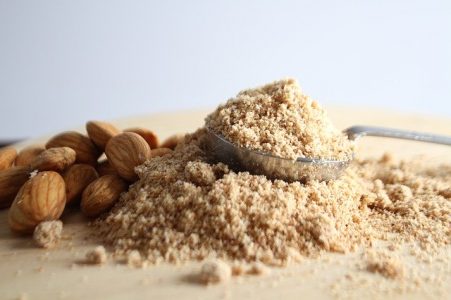
People exploring gluten-free baking sometimes compare rice flour to almond flour. The two behave very differently — almond flour is higher in fat and protein, which significantly changes texture and moisture. Rice flour is lighter and more neutral, making it easier to blend into multi-flour mixes.
Rice Flour Types and Uses: From Basic to Bold
Not all rice flour is the same. The three main varieties each have distinct properties and ideal applications. Picking the right one is the difference between a recipe that works and one that doesn't. Here's a clear breakdown of each.
White Rice Flour
White rice flour is the most common variety. It's made from milled white rice with the bran and germ removed. The result is a very fine, smooth powder with an almost completely neutral flavor. This is the default choice for most gluten-free baking and frying applications.
- Best for: cookies, cakes, crispy coatings, pancakes, thickening sauces
- Texture: fine, smooth, slightly gritty when raw but not after cooking
- Flavor: virtually tasteless
Brown Rice Flour
Brown rice flour keeps the bran layer intact, giving it more fiber and a faintly nutty flavor. It's slightly denser than white rice flour and works better in heartier baked goods. The trade-off is a shorter shelf life — the oils in the bran can go rancid if stored improperly.
- Best for: bread, muffins, pizza crusts, hearty pancakes
- Texture: slightly coarser, denser than white
- Flavor: mild nuttiness, still subtle
Glutinous Rice Flour
Despite the name, glutinous rice flour contains zero gluten. "Glutinous" refers to the sticky, chewy texture it creates when cooked. It comes from short-grain sticky rice (also called sweet rice). This variety is essential for traditional Asian desserts and snacks — mochi, tang yuan, and sesame balls all depend on it entirely.
- Best for: mochi, dumplings, sticky rice cakes, Asian sweets
- Texture: sticky, chewy, elastic when cooked
- Flavor: mildly sweet and distinct
Pro tip: Glutinous rice flour and regular white rice flour are not interchangeable — swapping them will completely change the texture of the final dish, often beyond saving.
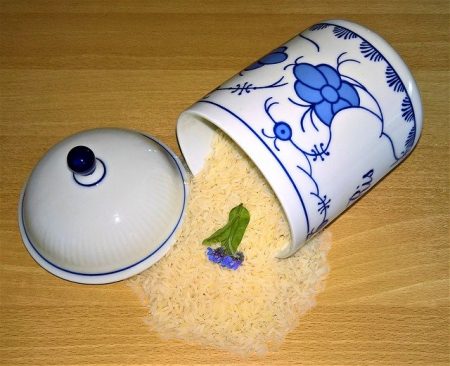
Jasmine rice flour, made from long-grain jasmine rice, is less common but worth knowing. It has a subtle floral aroma and a fine, light texture. Those interested in the source grain can learn more through the best jasmine rice brands guide, which also covers rice varieties and their flavor profiles in detail.
Comparison Table
| Type | Made From | Texture | Best For | Shelf Life |
|---|---|---|---|---|
| White Rice Flour | Milled white rice | Fine, smooth | Baking, frying, thickening | 12–18 months |
| Brown Rice Flour | Whole grain brown rice | Slightly coarse | Bread, muffins, pizza crust | 3–6 months |
| Glutinous Rice Flour | Short-grain sticky rice | Sticky, chewy when cooked | Mochi, dumplings, Asian sweets | 6–12 months |
| Jasmine Rice Flour | Long-grain jasmine rice | Fine, light, aromatic | Delicate baked goods, noodles | 12 months |
Practical Tips for Better Results in the Kitchen
Working with rice flour is straightforward once a few key habits are in place. These tips come from practical experience — the kind that only surfaces after a few disappointing batches.
Measuring and Mixing Right
Rice flour is denser by volume than it appears in the bag. Scooping directly packs it down, adding too much and throwing off the balance of the recipe. The right method is to spoon it into the measuring cup, then level off with a straight edge.
When mixing, rice flour tends to clump less than wheat flour but still benefits from sifting. Sift before adding to wet ingredients for a smoother batter — especially in cakes and pancakes. One more thing worth knowing: rice flour hydrates more slowly than wheat flour. Resting the batter for 5–10 minutes before cooking gives it time to absorb moisture fully and produces a better result.
- Always sift before measuring for baked goods
- Spoon into the cup, then level off — never scoop
- Rest batter for 5–10 minutes before cooking
- Add a binding agent like xanthan gum for structure in bread or anything that needs rise
Substitution Ratios That Work
Replacing all-purpose flour with rice flour isn't always a clean 1:1 swap. Here's what actually works in practice:
- Thickening sauces and gravies: 1:1 substitute works reliably
- Frying and coating: 1:1 works, and often produces better crunch
- Baking cakes and muffins: use 7/8 cup rice flour per cup of all-purpose flour
- Bread: rice flour alone lacks sufficient structure — blend with other gluten-free flours and add xanthan gum
For gluten-free cookie baking specifically, rice flour blends well with other alternative flours. Those looking for inspiration on how professionals handle these formulations should check out top-rated vegan cookie brands free of gluten to see how texture is achieved without wheat.
Common Rice Flour Myths Worth Clearing Up
There's a surprising amount of bad information about rice flour circulating online. Some myths keep people from using it altogether. Others lead to frustrating results in the kitchen. Here's what's actually true.
Myth: It's Only for Gluten-Free Diets
This one is completely wrong. Rice flour has been used in mainstream cooking for centuries across Asia — in noodles, dumplings, batters, and desserts — long before gluten-free diets existed as a concept. It earns a spot in any kitchen based purely on what it can do, not on what it avoids.
Myth: It Tastes Like Rice
White rice flour has almost no detectable flavor. It's one of the most neutral flours available. Brown rice flour has a faint nuttiness, but nothing that dominates a finished dish. The taste of the final product comes from the other ingredients — not the flour itself. This neutrality is actually one of its strongest assets.
Myth: It Always Swaps 1:1 with All-Purpose Flour
This only holds true in a narrow range of applications. For thickening sauces and frying coatings, it's generally a clean swap. For baking — especially bread or anything that needs to rise and hold shape — a direct 1:1 substitution doesn't work. Rice flour lacks gluten, which is what gives wheat-based doughs their elasticity. Blending rice flour with complementary gluten-free flours, starches, and binding agents is the reliable solution.
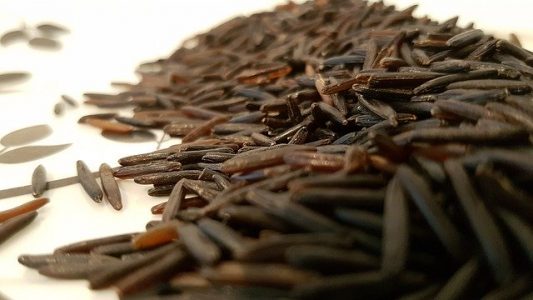
Wild rice flour is sometimes mistaken for a rice flour variety, but wild rice isn't actually rice — it's an aquatic grass seed. Wild rice flour has a much stronger, earthier flavor and a darker color. It behaves differently from standard rice flours and isn't a suitable substitute in most recipes.
Tools and Pantry Items Every Rice Flour Cook Needs
The right equipment and pantry staples make a real difference when working with rice flour regularly. None of it is complicated or expensive — most home kitchens already have the basics.
Essential Kitchen Equipment
- Fine mesh sifter — breaks up clumps before measuring and mixing, essential for smooth batters
- Kitchen scale — weight measurements are more accurate than volume for gluten-free baking, where ratios matter more
- Stand or hand mixer — helps aerate batters that need more lift without gluten structure
- High-speed blender — for milling fresh rice flour at home from dried rice grains
- Airtight containers — brown rice flour goes stale quickly; seal it tight and refrigerate if possible
Best Pantry Pairings
Rice flour rarely works alone in gluten-free baking. These pantry items work alongside it most effectively and are worth keeping stocked:
- Xanthan gum — adds elasticity and structure that gluten normally provides
- Tapioca starch — lightens texture and adds chewiness, especially useful in bread
- Potato starch — improves moisture retention in baked goods, prevents dryness
- Arrowroot powder — a clean thickening partner for sauces and soups
- Fresh baking powder — rice flour needs reliable leavening; stale baking powder is a common culprit behind flat results
For savory cooking, rice flour pairs particularly well with seasoned marinades and dry rubs in fried dishes. Getting comfortable with how starches and binders interact with rice flour is what separates consistently good results from hit-or-miss outcomes.
Frequently Asked Questions
Is rice flour the same as regular all-purpose flour?
No. Rice flour is made from milled rice grains and is naturally gluten-free. All-purpose flour is made from wheat and contains gluten, which provides elasticity and structure in baked goods. They behave differently in recipes and are not always interchangeable.
Can rice flour replace all-purpose flour at a 1:1 ratio?
Only in certain applications. For thickening sauces or coating foods for frying, a 1:1 swap usually works well. For baking bread or cakes, a direct swap does not produce good results — the absence of gluten changes structure significantly. Blending rice flour with other gluten-free flours and adding a binder like xanthan gum is the right approach for baking.
What is glutinous rice flour, and what is it used for?
Glutinous rice flour is made from short-grain sticky rice and creates a chewy, elastic texture when cooked. Despite the name, it contains no gluten. It's the key ingredient in mochi, tang yuan, sesame balls, and many other traditional Asian sweets and snacks.
Is rice flour good for frying foods?
Yes — it's excellent for frying. Rice flour creates a lighter, crispier coating than all-purpose flour. It absorbs less oil during frying and holds its crunch longer after cooking, making it a preferred choice for tempura and fried chicken.
Does rice flour make food taste like rice?
No. White rice flour is one of the most neutral flours available and adds virtually no flavor to a dish. Brown rice flour has a faint nuttiness. In both cases, the other ingredients in the recipe dominate the final flavor completely.
Can rice flour be used to thicken sauces and soups?
Yes, and it works very well for this purpose. White rice flour dissolves cleanly into gravies, soups, and sauces, creating a smooth consistency without the gumminess that some starches can introduce. Use roughly the same quantity as cornstarch or all-purpose flour.
What is the main difference between white and brown rice flour?
White rice flour is made from milled white rice with the bran removed, resulting in a finer texture and completely neutral flavor. Brown rice flour retains the bran layer, giving it more fiber, a subtly nutty taste, and a slightly denser texture. Brown rice flour also has a much shorter shelf life and should be refrigerated after opening.
Is rice flour a nutritious choice compared to wheat flour?
Rice flour is naturally gluten-free and easy to digest, which makes it a strong option for those with gluten intolerance. White rice flour is low in fiber but simple on the digestive system. Brown rice flour offers more fiber and trace nutrients. Neither variety is low in carbohydrates, but both are minimally processed and free from common allergens beyond grain itself.
Key Takeaways
- Rice flour comes in three main types — white, brown, and glutinous — each with distinct textures, flavors, and best applications that are not interchangeable.
- White rice flour is the most versatile option, performing well for frying, thickening, and light baking, while glutinous rice flour is reserved strictly for chewy, sticky-textured dishes.
- A straight 1:1 swap with all-purpose flour works for sauces and coatings, but baking typically requires a blended flour mix plus a binding agent like xanthan gum.
- Brown rice flour should be stored in an airtight container and refrigerated after opening, since the bran oils cause it to go rancid much faster than other rice flour types.


About Touseef Shaikh
Touseef Shaikh is a food writer and grocery researcher with years of experience evaluating grocery products for nutritional quality, ingredient transparency, and everyday value. His research-driven approach to food product reviews covers pantry staples, snacks, beverages, fresh produce, and organic alternatives — with a focus on helping shoppers make better decisions at the grocery store without spending more than they need to. At GroceriesReview, he covers food and grocery product reviews, buying guides, and meal planning resources.
You can get FREE Gifts. Or latest Free phones here.
Disable Ad block to reveal all the info. Once done, hit a button below