5 Best Oils for Frying Fish with a High Smoke Point
by Touseef Shaikh
Last summer, I fried a batch of catfish for a family cookout — golden, crispy, perfectly seasoned. When my neighbor asked what oil I used, I realized I'd just grabbed the nearest bottle without a second thought. The oil started smoking before the fish was halfway done, and I nearly ruined the whole pan. Choosing the best oils for frying fish isn't a minor detail. It's the difference between a clean, crispy fry and a bitter, greasy mess. For more deep dives into pantry staples, check out our product reviews section where we cover exactly these kinds of decisions.

The single most important thing to understand about frying oil is smoke point — the temperature at which oil starts breaking down and releasing harmful compounds. Once that happens, the flavor turns acrid and your fish absorbs it. For frying fish at proper temperature, you need oil that stays stable at 375°F (190°C) or higher. According to the Wikipedia smoke point reference, refined oils consistently outperform their unrefined counterparts at high heat — which is why refined versions of several oils on this list make the cut while their raw counterparts don't.
This guide covers five proven oils that handle the heat, hold up to the fish, and won't blow your grocery budget. We'll walk through each one, break down what they cost, share tips for getting the crispiest results, and flag the mistakes that trip up even experienced home cooks. If you're also thinking about what to serve alongside your fried fish, our guide on the best sauces for salmon burgers has sauce ideas that pair beautifully with fried fish too.
Contents
The 5 Best Oils for Frying Fish, Ranked
All five of these oils clear the 375°F threshold required for frying fish properly. Here's how they compare side by side before we go deeper into each one.
| Oil | Smoke Point | Flavor Profile | Best Use | Avg. Price (32 oz) |
|---|---|---|---|---|
| Canola Oil | 400°F (204°C) | Neutral | All-purpose frying | $3–$5 |
| Peanut Oil | 450°F (232°C) | Mild, slightly nutty | Deep frying | $6–$10 |
| Refined Coconut Oil | 400°F (204°C) | Neutral | Pan frying | $8–$12 |
| Palm Oil | 455°F (235°C) | Neutral | Deep frying | $7–$11 |
| Refined Olive Oil | 465°F (240°C) | Mild, slightly fruity | Pan frying | $8–$14 |
1. Canola Oil
Canola oil is the workhorse of home frying. Its 400°F smoke point is solid for most fish-frying applications, and its completely neutral flavor means it won't compete with your seasoning or the fish itself. It's widely available, inexpensive, and light enough that it doesn't leave your fish feeling heavy. Canola is the right default choice when you're not sure what else to reach for. It handles everything from pan-fried tilapia to deep-fried cod without issue. The one limitation: it has a shorter shelf life than some other oils, so buy what you'll use in a few months.
2. Peanut Oil

Peanut oil is a favorite among professional fry cooks for good reason. Its 450°F smoke point gives you real headroom — you can push the temperature and still fry with confidence. The mild nutty undertone it adds to fried fish is subtle but genuinely pleasant. It's the oil of choice at many fish fry restaurants in the American South. One note: if you're cooking for anyone with a nut allergy, skip this one. Refined peanut oil removes most of the allergen proteins, but it's not worth the risk for sensitive guests.
3. Refined Coconut Oil

Use refined coconut oil here — not virgin. Virgin coconut oil smokes around 350°F, which isn't enough for safe, crispy frying. Refined coconut oil reaches 400°F and has almost no coconut flavor, which keeps it from overwhelming delicate white fish. It's high in saturated fat, which makes it very stable at high heat. You also get a slightly cleaner fry compared to some vegetable oils. The downside is cost — it's pricier per ounce than canola, and the environmental footprint of coconut farming is worth being aware of if that matters to you.
4. Palm Oil
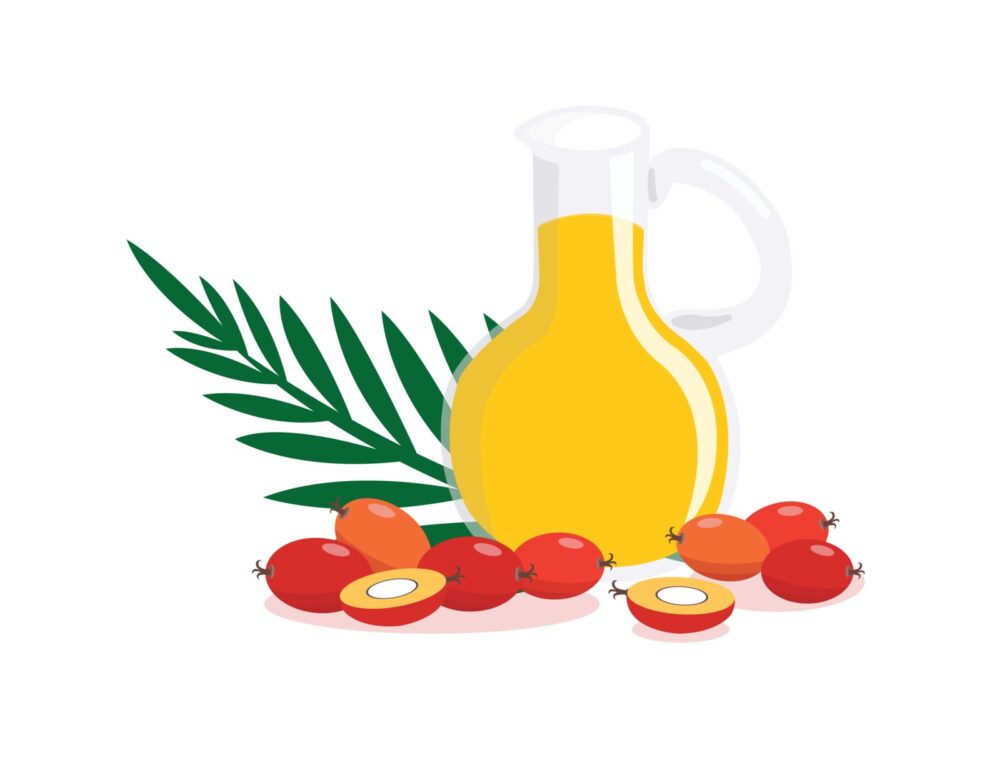
Palm oil has one of the highest smoke points on this list at 455°F, and it's extremely stable under sustained high heat. That makes it excellent for deep frying larger batches where the oil needs to hold temperature over time. It has a neutral flavor and produces a clean, non-greasy finish on fried fish. The main concern with palm oil is sustainability — look for products certified by the Roundtable on Sustainable Palm Oil (RSPO) if you want to minimize environmental impact. It's a capable performer; just buy it responsibly.
5. Refined Olive Oil
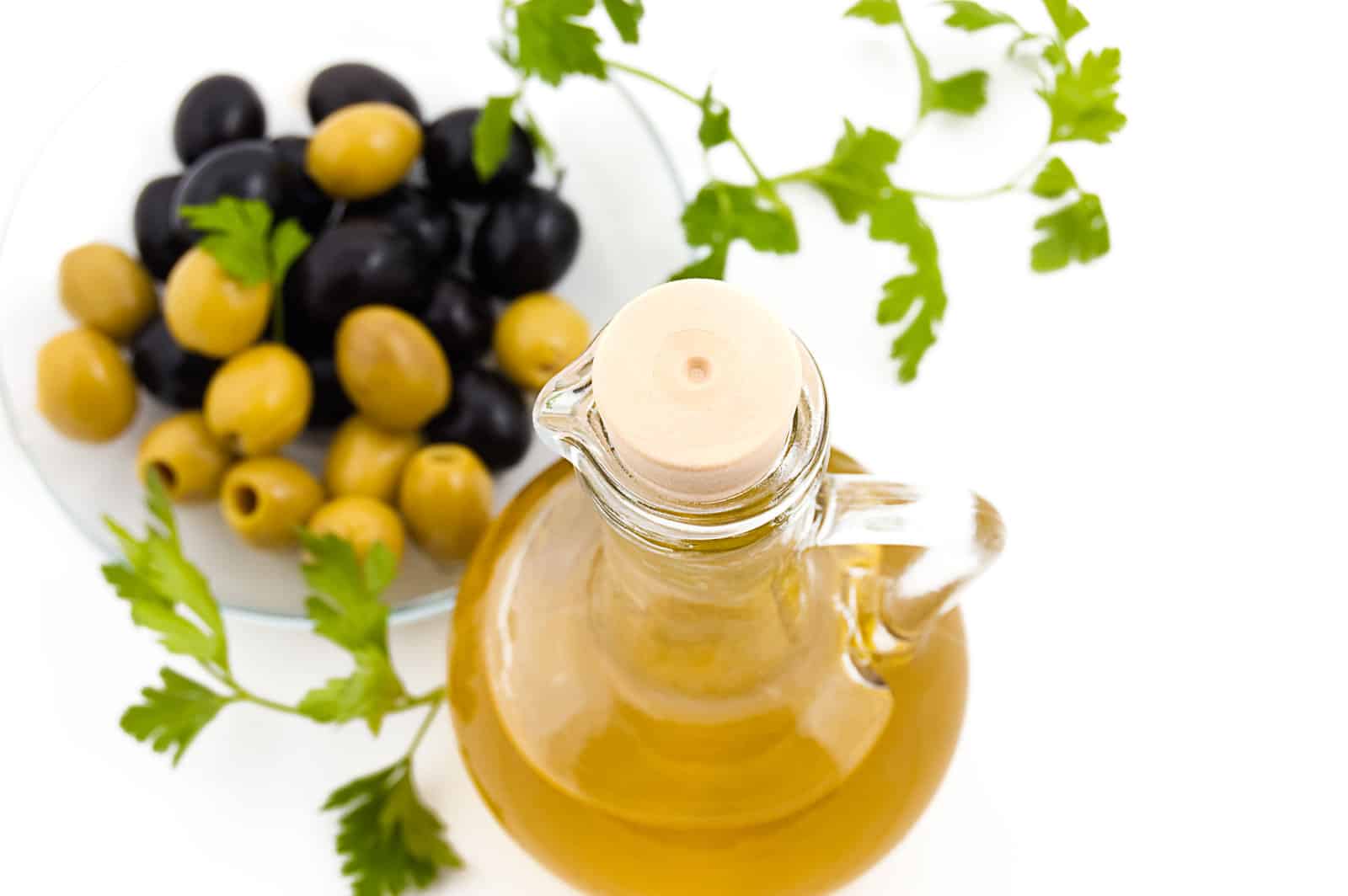
This one surprises people. Extra virgin olive oil can't handle frying temperatures reliably — but refined or light olive oil reaches up to 465°F, making it one of the highest performers on this list. It adds a very mild, slightly Mediterranean note to pan-fried fish that works particularly well with Mediterranean-style seasonings. It's not the most economical choice for deep frying large batches, but for pan-frying a few fillets at home, it's excellent. It's also rich in monounsaturated fats, which hold up well under heat without degrading as quickly as polyunsaturated oils.
What You'll Spend: Oil Prices Compared
Budget-Friendly Picks
If you're cooking fish regularly and watching costs, canola oil is your answer. A 48-ounce bottle typically runs $3–$5 at most grocery stores, and a 1-gallon jug for around $8–$10 is available at warehouse retailers. You're getting solid performance at a fraction of what you'd pay for peanut or coconut oil. Vegetable oil blends (often a canola-soybean mix) are even cheaper and perform similarly — they're fine for everyday use.
- Canola oil: best value per ounce for frequent fryers
- Vegetable blend: slightly cheaper, comparable performance
- Buy larger sizes to reduce cost per use
When Spending More Actually Saves Money
Peanut oil costs more upfront — typically $6–$10 for a 32-oz bottle — but it has a longer fry life than canola. You can filter and reuse peanut oil several more times before it degrades. Over multiple frying sessions, that durability closes the price gap considerably. Palm oil follows the same logic: higher initial cost, longer usable life, better cost-per-fry over time. Refined olive oil is the most expensive per ounce on this list, so reserve it for smaller pan-fry batches where you'll actually use it up.
Pro tip: Strain your frying oil through a fine mesh strainer lined with cheesecloth after each use. Removing food particles dramatically extends how many times you can safely reuse the oil.
Pro Tips for a Perfectly Crispy Fry
Temperature and Heat Control
Temperature is everything. Most fish fry best between 350°F and 375°F. Go below that and your fish absorbs oil instead of crisping. Go above 400°F and thin fillets overcook before the crust sets properly. Use a clip-on candy or deep-fry thermometer — guessing by eye is how you end up with soggy or burnt fish. Let the oil come fully to temperature before adding anything. And let it recover between batches; adding cold fish drops the oil temp fast.
- Target 350–375°F for most fish fillets
- Always preheat your oil — don't rush it
- Add fish in small batches to maintain temperature
- Use a thermometer, not visual cues
Keeping Your Oil Clean During the Fry
Small breading particles that fall off during frying are the enemy of good oil. They sink, burn, and turn your oil bitter halfway through the batch. Skim those particles out with a fine mesh spider skimmer between batches. If you're frying multiple rounds, keep the heat steady and skim constantly. Clean oil produces cleaner-tasting fish — it's that simple. Also avoid salting fish directly over the oil pan; salt accelerates oil breakdown.
Frying Mistakes That Wreck Your Fish
Choosing the Wrong Oil
The most common mistake is reaching for extra virgin olive oil or butter because they're already on the stove. Neither is appropriate for deep or shallow frying fish at proper temperature. EVOO smokes around 320°F. Butter burns even faster. Both will turn bitter and damage your fish's flavor before it cooks through. Stick to the five oils on this list. They all handle the heat. No substitutions.
- Never use extra virgin olive oil for frying — only refined
- Butter burns too fast; use it only for finishing, not frying
- Sesame oil is too strong in flavor and too low in smoke point
Temperature and Crowding Errors
Overcrowding the pan is the second-most common mistake. When you add too much fish at once, the oil temperature drops dramatically and your fish starts steaming instead of frying. The result is a soft, pale crust that soaks up oil. Fry in small batches — no more than fits comfortably with space around each piece. Also, never let oil sit at frying temperature unattended or for extended periods before you start cooking. Sustained high heat without food in the oil degrades it faster than actual frying does.
Building a Long-Term Oil Strategy
Health and Fatty Acid Profiles
All frying oils have trade-offs from a nutrition standpoint. Canola and refined olive oil are highest in monounsaturated fats, which are the most heat-stable of the unsaturated fats. Peanut and palm oils are higher in saturated fats, which are extremely stable under heat but come with their own nutritional considerations. For a broader view of how different cooking oils compare nutritionally, our guide on oils for cooking and frying breaks this down in detail. The key point: no frying oil is a health food, but some are meaningfully better choices than others for regular use.
- Canola and refined olive oil: best monounsaturated fat profiles
- Palm and coconut oil: high in saturated fats, very stable
- Peanut oil: good balance of mono and polyunsaturated fats
Reusing Oil Safely
You don't need to throw out oil after every frying session. Strain it, store it in an airtight container away from light and heat, and use it again within a week or two. Look for signs of degradation before reusing: dark color, thick texture, persistent smell, or foam when heated are all signs to discard and start fresh. Peanut and palm oils have the longest reuse life. Canola degrades faster but is cheap enough that fresh oil isn't a major expense. Never mix used oil with fresh — it contaminates the whole batch.
Frequently Asked Questions
What is the best oil for frying fish overall?
Canola oil is the best all-around choice for most home cooks. It has a solid 400°F smoke point, a completely neutral flavor, and a low price. Peanut oil edges it out on performance but costs more. For everyday use, canola is the practical winner.
Can you use olive oil to fry fish?
Yes, but only refined or light olive oil — not extra virgin. Refined olive oil has a smoke point up to 465°F, making it one of the best options for pan-frying. Extra virgin olive oil smokes around 320°F and will burn before your fish cooks through.
What temperature should oil be for frying fish?
The sweet spot is 350°F to 375°F (175°C to 190°C). Below 350°F, fish absorbs oil instead of crisping. Above 400°F, thin fillets overcook before the crust develops properly. Use a thermometer — guessing by sight is unreliable.
Is coconut oil good for frying fish?
Refined coconut oil is good for frying fish. It reaches 400°F and has a neutral flavor. Virgin coconut oil is not suitable — it smokes around 350°F and adds a strong coconut flavor that overpowers most fish. Always check the label before buying.
How many times can you reuse frying oil?
Properly filtered frying oil can be reused three to five times, depending on the oil type and what you fried. Peanut and palm oils last longer between sessions. Discard oil when it turns dark, smells off, or foams heavily when heated — those are signs of breakdown.
Does the type of fish affect which oil to use?
Slightly. Delicate white fish like tilapia or flounder benefit from neutral oils like canola so the oil doesn't mask the fish's mild flavor. Stronger-flavored fish like catfish or bass can handle the mild nuttiness of peanut oil. For oily fish like salmon, refined olive oil pairs particularly well.
What oil do restaurants use to fry fish?
Most commercial fish-fry operations use peanut oil or canola oil. Peanut oil is popular for its high smoke point, long fry life, and clean flavor. Canola is common in higher-volume kitchens where cost-per-gallon matters. Some Southern-style restaurants use lard or a lard-canola blend for flavor.
Final Thoughts
Now that you know which oils can handle the heat and which ones will let you down, pick one from this list and commit to it for your next fish fry. Start with canola if you want the safest, cheapest entry point — or invest in peanut oil if you fry often and want professional-level results. Whichever you choose, grab a thermometer, fry in small batches, and strain your oil when you're done. Those three habits will make a bigger difference in your fried fish than any recipe trick you'll ever read.


About Touseef Shaikh
Touseef Shaikh is a food writer and grocery researcher with years of experience evaluating grocery products for nutritional quality, ingredient transparency, and everyday value. His research-driven approach to food product reviews covers pantry staples, snacks, beverages, fresh produce, and organic alternatives — with a focus on helping shoppers make better decisions at the grocery store without spending more than they need to. At GroceriesReview, he covers food and grocery product reviews, buying guides, and meal planning resources.
You can get FREE Gifts. Or latest Free phones here.
Disable Ad block to reveal all the info. Once done, hit a button below