How to Tell if a Mango Is Ripe: 3 Easy Ways
by Touseef Shaikh
Knowing how to tell if a mango is ripe comes down to three quick checks: give it a gentle squeeze, smell it near the stem, and take a look at the skin. Those three steps take about ten seconds and will save you from biting into a hard, flavorless mango ever again. For more tips on picking great produce, our produce selection guide covers a wide range of fruits and vegetables.
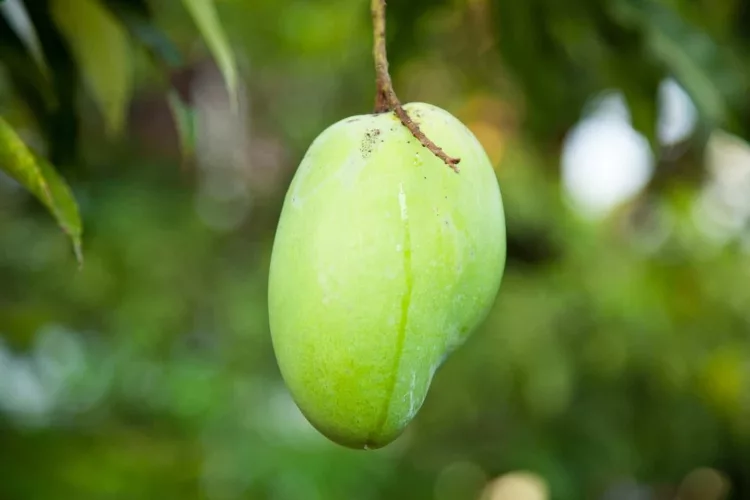
Mangoes are one of the most beloved tropical fruits in the world, turning up in smoothies, salsas, chutneys, and desserts across dozens of cuisines. But at the grocery store, picking a good one can feel like a gamble. A mango that looks gorgeous outside can be starchy and tasteless inside, while one that looks a little dull might be perfectly sweet. The trick is learning which signals actually tell you something useful — and which ones are just noise.
Part of the challenge is that mangoes come in many varieties, and they don't all ripen the same way. According to Wikipedia, there are hundreds of mango cultivars grown around the world, each with slightly different characteristics. The good news is that the core methods for testing ripeness apply across most of them. Once you've got them down, you'll feel confident every time you're standing in the produce aisle.
Contents
What Actually Makes a Mango Ripe
The Ripening Process in Plain Terms
When a mango ripens, a lot is happening inside the fruit. Starches break down into natural sugars, which is why a ripe mango tastes sweet instead of starchy. The flesh softens as cell walls break down, and aromatic compounds develop — that distinctive tropical scent you associate with fresh mango. These internal changes are exactly what you're detecting when you use the squeeze and smell tests. They're not just guesswork; they're reading real chemical signals the fruit is putting out.
Mangoes are climacteric fruits, meaning they keep ripening after they've been picked. That's actually useful, because it means you can buy a firm mango at the store and let it ripen on your counter over the next day or two. The ripening process is driven by ethylene gas, a natural compound the fruit produces on its own. You can speed things up by placing the mango in a paper bag, which traps the ethylene and encourages faster ripening.
Common Varieties and What Ripe Looks Like
Not every mango changes color the same way when ripe. Some turn bright yellow or red, while others stay green right up until they're perfect inside. This is one of the biggest sources of confusion when you're shopping. The table below gives you a quick reference for the varieties you're most likely to encounter at major grocery stores.
| Variety | Color When Ripe | Texture When Ripe | Flavor Notes |
|---|---|---|---|
| Ataulfo (Honey) | Deep golden yellow | Soft, creamy, very low fiber | Very sweet, buttery |
| Tommy Atkins | Red-orange blush, some green | Firm but slightly yielding | Mild, slightly tart |
| Haden | Red and yellow | Medium softness | Rich, fruity |
| Kent | Mostly green, hints of yellow | Soft, juicy | Sweet, low fiber |
| Keitt | Green even when fully ripe | Firm yet gently yielding | Sweet with a mild tang |
As you can see, color alone won't give you the full picture. A Kent or Keitt mango can be perfectly ripe while still looking entirely green. That's exactly why feel and smell matter far more than appearance when you're making your choice.
How to Tell if a Mango Is Ripe: 3 Reliable Methods
The Squeeze Test
This is the most dependable method, and it's the one most produce experts rely on. Hold the mango in your palm and apply gentle, even pressure across the fruit — don't dig in with your fingertips, which can bruise the flesh. A ripe mango should give slightly under pressure, similar to a ripe peach or avocado. If it feels rock-solid, it needs more time. If it feels mushy or has soft patches in just one spot, it's likely overripe or damaged.
What you're looking for is a consistent, slight give across the whole surface. A little softness near the stem end is usually the first sign that a mango is approaching peak ripeness. If the stem end yields but the rest of the fruit is still firm, you're probably one to two days away from perfect. That's a great mango to buy if you're planning ahead.
The Smell Test
Hold the mango up to your nose and smell it right at the stem end, where the aroma is strongest. A ripe mango will have a sweet, fruity tropical fragrance — that unmistakable scent you get from fresh mango juice or a smoothie. If there's barely any smell, the mango isn't ready. If it smells sour or faintly alcoholic, it's gone too far.
This test works best alongside the squeeze test. A mango that passes both — a gentle give and a rich, sweet smell — is almost always ready to eat. Ripe mangoes blend beautifully into tropical drinks and pair well with other fruit flavors, much like what you'd find in a good fresh fruit juice blend.
The Color Check
Color can give you a general hint, but it's the least reliable indicator on its own. For varieties that do change color, look for a shift from green toward yellow, orange, or red depending on the type. Skip mangoes that look shriveled, heavily bruised, or have dark sunken spots — those signal damage or decay, not ripeness. Small brown freckles on the skin are usually harmless and don't affect the flesh underneath.
Smart Tips for Getting the Best Mango Every Time
What to Look for at the Store
When you're in the produce aisle, test a few mangoes before you commit. You're looking for one that smells fragrant and gives just slightly under gentle palm pressure. If you want something to eat that day, go for a mango that's already noticeably soft and strongly aromatic. If you're shopping ahead, a firmer mango with just the faintest give near the stem will be ready in a day or two.
Avoid mangoes that are completely hard all over with no scent at all — these can take a week or more to ripen and may not develop their best flavor. Also check the stem end for any signs of mold, which usually means the fruit was stored poorly. Uneven softness, where one side is mushy and the other is hard, typically indicates bruising or damage rather than natural ripeness.
How to Ripen a Mango at Home
If you've brought home a firm mango, set it on your kitchen counter at room temperature. Never put an unripe mango in the refrigerator — cold temperatures shut down the ripening process and can cause the flesh to become mealy and flat-tasting. Once the mango is fully ripe, then you can refrigerate it to slow things down and keep it fresh for a few more days.
To speed up ripening, place the mango in a paper bag with an apple or banana. Both fruits release ethylene gas naturally, which speeds up the mango's ripening process — usually cutting the wait down to one or two days. A perfectly ripe mango can go into salads, salsas, smoothies, or just eaten on its own. It also makes a bright, refreshing contrast alongside other bold fruit flavors, similar to the tartness you'd get from a quality pomegranate juice.
Mistakes That Lead to a Disappointing Mango
Judging Only by Color
This is by far the most common mistake shoppers make. A bright red or orange mango looks ready, so you grab it — only to find it's hard and tasteless when you cut it open. The problem is that color is variety-dependent, not ripeness-dependent. Kent and Keitt mangoes, two types you'll find in most stores, stay green even at peak ripeness. If you let color be your only guide, you'll end up with underripe fruit far more often than not. Always pair the color check with the squeeze and smell tests.
Pressing Too Hard With Your Fingertips
You don't need to dig in to test a mango. Pressing hard with your fingertips bruises the flesh and creates soft spots that look like overripeness but are actually just damage. Use your whole palm and apply light, even pressure. This is respectful to the fruit and to the other shoppers who will handle it after you. A gentle test tells you everything you need to know without leaving marks behind.
Refrigerating Before It's Ready
Putting an unripe mango in the fridge is one of the easiest ways to ruin it. Cold temperatures interfere with the enzymes and ethylene production that drive the ripening process. The result is a mango that never reaches its full potential — the flesh can turn stringy, dry, or mealy, and no amount of leaving it at room temperature afterward will fix that. The rule is simple: ripen first, refrigerate second. Once the mango is fully ripe, the fridge will keep it fresh for up to five days.
Key Takeaways
- The squeeze test is the most reliable way to check ripeness — use your whole palm to feel for a gentle, even give across the fruit.
- Always smell the mango near the stem end; a strong, sweet tropical aroma means it's ready to eat.
- Color can mislead you because some of the best mango varieties stay green when fully ripe — combine all three checks before deciding.
- Let unripe mangoes ripen on the counter at room temperature, and speed things up with a paper bag and ethylene-producing fruits like apples or bananas.


About Touseef Shaikh
Touseef Shaikh is a food writer and grocery researcher with years of experience evaluating grocery products for nutritional quality, ingredient transparency, and everyday value. His research-driven approach to food product reviews covers pantry staples, snacks, beverages, fresh produce, and organic alternatives — with a focus on helping shoppers make better decisions at the grocery store without spending more than they need to. At GroceriesReview, he covers food and grocery product reviews, buying guides, and meal planning resources.
You can get FREE Gifts. Or latest Free phones here.
Disable Ad block to reveal all the info. Once done, hit a button below