How to Tell If Fruits and Vegetables Are Ripe and Ready to Eat
by Touseef Shaikh
About 30 to 40 percent of all produce purchased in the United States ends up in the trash — and most of that waste starts at the store, when shoppers grab fruit or vegetables at the wrong stage of ripeness. Knowing how to tell if fruit is ripe before it lands in your cart is one of the fastest ways to stop throwing money away and eat better every single day. A few quick checks — color, firmness, scent — can mean the difference between a crisp, flavorful dinner and a bowl of mush. For a detailed look at one particularly tricky fruit, start with our guide on how to tell if a mango is ripe using three easy tests you can do at any grocery store.
The good news is that ripeness is never mysterious. Every fruit and vegetable sends out clear signals when it is ready. You just need to know which signals to look for. Once you understand the core principles, you can apply them across dozens of produce types without any special tools or experience.
This guide covers the full picture — from reading the cues on stone fruits to sniffing out a perfect melon — so you can shop smarter starting on your next grocery run. Browse the GroceriesReview resources section for more practical food and grocery guides.
Contents
- Ripeness by Produce Type: Real Grocery Aisle Examples
- Ripeness Mistakes That Ruin Your Grocery Haul
- Pro Tips for Picking Ripe Produce Every Time
- What to Do When Produce Ripens Wrong
- Building a Smarter Produce Shopping Routine
- When to Buy Ripe and When to Buy Unripe
- Quick Ways to Tell If Fruit Is Ripe Before You Leave the Store
- Frequently Asked Questions
- Final Thoughts
Ripeness by Produce Type: Real Grocery Aisle Examples
Different fruits and vegetables ripen in completely different ways. A ripe watermelon gives you different signals than a ripe bell pepper. There is no single rule that covers everything — so here is a practical breakdown by category.
Stone Fruits: Peaches, Plums, and Apricots
Stone fruits (fruits with a hard pit in the center) ripen from the inside out. The best check is a gentle squeeze near the stem end — it should give slightly, not feel rock hard or collapse under your fingers. Color matters too, but only as a secondary signal.
- Peaches: Look for a deep yellow or orange background. A blush of red is decorative, not a ripeness indicator. Smell the stem end — a ripe peach smells distinctly like a peach, not like nothing.
- Plums: Gently press near the top. If it gives slightly, it is ripe. The skin should be taut, not wrinkled.
- Apricots: Should be deep orange, fragrant, and slightly soft. Pale yellow and hard means they need more time.
Tropical Fruits: Mangoes, Avocados, and Pineapples
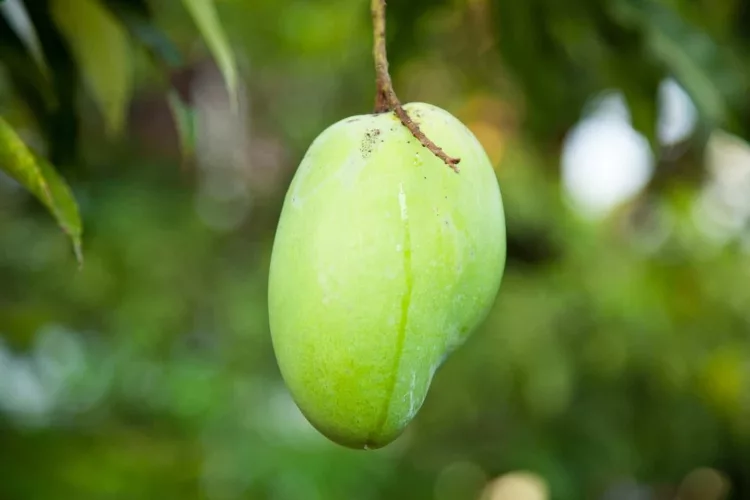
Tropical fruits trip up a lot of shoppers because their color changes do not always match expectations. A ripe mango can still be mostly green. A perfect-looking avocado can be completely black inside. Focus on feel and smell, not just appearance.
- Avocados: Press gently near the stem. Firm with slight give means ready in a day or two. Soft but not mushy means eat it today. Black and mushy means overripe — skip it.
- Pineapples: Tug one of the inner leaves at the crown. If it pulls out easily with light pressure, the pineapple is ripe. Smell the base — it should be sweet and tropical.
- Mangoes: Squeeze gently. A ripe mango gives slightly and smells fruity near the stem end. For a complete walkthrough, see our guide on how to tell if a mango is ripe.
Common Vegetables: Tomatoes, Peppers, and Cucumbers
Vegetables communicate ripeness mostly through firmness and color. Here is a quick reference for the produce you probably buy most often.
| Vegetable | Visual Cue | Feel | Avoid |
|---|---|---|---|
| Tomato | Deep, even color for the variety | Gives gently under light pressure | Hard as a rock or very soft and wrinkled |
| Bell Pepper | Glossy, vibrant color — red, yellow, orange, or green | Firm and heavy for its size | Soft spots, shriveled skin, dull surface |
| Cucumber | Deep green, no yellowing | Firm from tip to tip | Yellow patches, soft ends |
| Zucchini | Bright green, medium size (6–8 inches) | Firm skin with no give | Oversized and seedy, dull or wrinkled skin |
| Corn | Green tight husk; silk slightly golden and sticky | Kernels pop under light pressure through husk | Brown dry silk, loose husks, soft spots |
Ripeness Mistakes That Ruin Your Grocery Haul
Even experienced shoppers fall into the same traps repeatedly. Knowing the most common errors saves you from coming home with produce that needs three more days on the counter — or produce that is already past its peak.
Judging by Color Alone
Color is a starting point, not the whole story. Strawberries can be bright red on the outside and sour on the inside. Bananas turn yellow before they develop full sweetness. Many fruits — especially tropical varieties — stay green even when fully ripe. Use color to determine which direction the fruit is heading, but let smell and feel close the deal.
Pro Tip: When color and smell disagree, trust your nose. A ripe fruit almost always produces a noticeable, pleasant aroma near the stem or base — if you smell nothing, it is not ready.
Skipping the Smell Test
Most shoppers look and squeeze but never smell. That is a missed opportunity. Ripe produce gives off aromatic compounds — natural scent molecules that signal peak flavor. A watermelon with no scent at the stem end is not ready. A cantaloupe that smells musky and sweet is perfect. Train yourself to smell every piece of produce before it goes in your cart. It takes two seconds and is one of the most reliable checks you can make.
Pro Tips for Picking Ripe Produce Every Time
These are the methods produce buyers at farmers markets and grocery buyers in wholesale use daily. They are simple, fast, and reliable across dozens of produce types.
The Squeeze and Sniff Method
This is your default move for almost any fruit. Here is how to do it correctly:
- Hold the fruit gently in your palm — do not dig in with your fingertips, which causes bruising.
- Apply light, even pressure with your whole hand.
- A ripe fruit gives slightly but springs back. Overripe fruit stays dented.
- Bring it close to your nose near the stem end and inhale. A ripe fruit smells like itself.
This method works on peaches, mangoes, avocados, pears, tomatoes, and most melons. It does not work as well on citrus fruits — for those, you rely on weight and skin texture instead.
Using Your Eyes the Right Way
Look for uniform color, taut skin, and no soft spots or blemishes. A few surface marks are fine and do not affect flavor. But any area that looks bruised, sunken, or discolored signals damage underneath. Check the stem end too — it should look clean and dry, not moldy or cracked.
Warning: Avoid any produce with visible mold, even in one small spot. Mold spreads fast and can produce mycotoxins (toxic compounds that penetrate deep into soft produce) well beyond the visible area.
According to the U.S. Food and Drug Administration, selecting undamaged, clean produce and handling it carefully at the store are the first steps to preventing foodborne illness at home.
What to Do When Produce Ripens Wrong
You get home and things do not go as planned. The avocados you bought for tonight are rock hard. Or the peaches you planned to use on Friday went soft by Monday. Here is how to handle both situations.
When Fruit Won't Ripen
Some fruits — avocados, pears, mangoes, bananas, kiwis, and stone fruits — produce ethylene gas, a natural plant hormone that triggers ripening. If yours are stubbornly hard, speed things up:
- Place the fruit in a paper bag with a ripe banana or apple. Ethylene from those fruits accelerates ripening in the others.
- Leave the bag at room temperature — cold stops ethylene activity completely.
- Check after 24 hours. Most hard fruits are ready within one to two days using this method.
Citrus fruits, grapes, berries, and most vegetables do not respond to ethylene. They simply age and eventually decay. Buy those at peak ripeness and use them quickly.
When It Ripens Too Fast
If fruit is going soft faster than expected, move it to the refrigerator immediately. Cold temperatures slow ethylene activity and enzyme action significantly. Most ripe fruit keeps for two to five extra days in the fridge after reaching peak ripeness at room temperature. Bring it back to room temperature before eating — cold dulls the flavor of many fruits considerably.
Building a Smarter Produce Shopping Routine
The way you shop matters as much as what you buy. A little planning at the store level prevents a lot of waste at home.
Plan Purchases by Ripeness Stage
Think about when you plan to eat each item and buy at the right stage for your timeline:
- Tonight or tomorrow: Buy ripe or very close to ripe.
- In three to five days: Buy slightly underripe — firm but starting to show color and scent.
- For the full week: Mix ripe items for early meals with firmer ones for later in the week.
This approach is especially important for produce like avocados and pears, which can move from hard to perfect to overripe within just two days. If you enjoy fruit-based drinks alongside your fresh produce, our guide to popular fruit juices covers what to look for in quality options across cherry, cranberry, and sparkling varieties.
Storing Produce to Control Ripening
Where you store produce directly controls how fast it ripens. The key rules:
- Keep ethylene-producing fruits (bananas, apples, avocados, pears) away from sensitive vegetables like broccoli, lettuce, and cucumbers — ethylene turns them yellow and soft faster.
- Never refrigerate tomatoes. Cold permanently destroys their texture and blunts flavor.
- Store berries unwashed in the fridge. Wash only right before eating to prevent mold from moisture.
Pro Insight: Line your crisper drawer with a dry paper towel to absorb excess moisture — it extends the life of leafy greens by two to three days with zero extra effort.
When to Buy Ripe and When to Buy Unripe
There is no single right answer — it depends entirely on your plan for the week. Here is a straightforward framework you can apply every time you shop.
Buy Ripe When...
- You plan to eat the produce today or tomorrow.
- You are making a dish that same day — fruit salads, smoothies, roasted vegetables.
- You want maximum flavor immediately. Vine-ripened or tree-ripened produce is always more complex and flavorful than anything ripened at home after early harvest.
Buy Unripe When...
- You are shopping for the full week and need produce to last.
- You found a deal and want to buy in bulk — you control ripening at home with the paper bag method.
- The produce is a type that handles home ripening well: avocados, bananas, stone fruits, pears, and mangoes all do.
Some produce — grapes, berries, citrus fruits, and most leafy greens — does not ripen further after harvest. Buy those as close to peak ripeness as possible, every time, without exception.
Quick Ways to Tell If Fruit Is Ripe Before You Leave the Store
When you are moving fast through the grocery store, you need checks that take under ten seconds. These two methods give you a strong, reliable read on almost any fruit without slowing you down.
The Tap Test
Tap the outside of whole melons — watermelons, cantaloupes, honeydews — firmly with your knuckle. A hollow, resonant thud means the inside is full of juice and ripe. A dull, flat sound signals underripe or dense flesh. This works because ripe melons develop more internal air pockets as cellular structure changes during ripening. It is fast, free, and surprisingly accurate once you have practiced it a few times.
Weight and Heft
Pick up the fruit. Then pick up another one of similar size. The heavier one is almost always riper and juicier. Weight indicates higher water content, which correlates directly with ripeness in oranges, lemons, limes, grapefruits, and melons. A light citrus fruit is dry inside regardless of how the skin looks. This check takes two seconds and catches underripe citrus that passes every visual test.
Frequently Asked Questions
How do you tell if fruit is ripe without cutting it open?
Use three checks together: squeeze gently (slight give means ripe), smell near the stem end (ripe fruit smells like itself, unripe smells like nothing), and judge the weight (heavier means juicier and more ripe). Combined, these three signals give you a highly reliable answer without cutting into the fruit at the store.
Does fruit ripened at home taste as good as store-ripe fruit?
Not quite. Fruit that ripens naturally on the plant develops more complex sugars and aromatic compounds than fruit harvested early and ripened afterward. Home ripening still produces far better results than eating underripe fruit — so use the paper bag ethylene method when you need to — but whenever possible, buy at peak ripeness for the best flavor.
Which vegetables are hardest to judge for ripeness at the store?
Corn and avocados are the trickiest. With corn, the husk hides the kernels, so you rely on silk color (slightly golden and sticky means ripe) and feel (kernels should feel plump through the husk). With avocados, timing is everything — they move from hard to perfect to overripe in a very narrow window, sometimes within a single day, so always buy based on exactly when you plan to eat them.
Final Thoughts
You now have everything you need to pick ripe, flavorful produce on every grocery run. Start at your next shopping trip by applying just one method — the squeeze test on stone fruits, or the tap test on a melon — and you will immediately notice the difference in what you bring home. As you get comfortable, layer in the smell and weight checks until they become second nature. Fresh, perfectly ripe ingredients make every meal easier and better, and it all starts with a few extra seconds at the produce section.


About Touseef Shaikh
Touseef Shaikh is a food writer and grocery researcher with years of experience evaluating grocery products for nutritional quality, ingredient transparency, and everyday value. His research-driven approach to food product reviews covers pantry staples, snacks, beverages, fresh produce, and organic alternatives — with a focus on helping shoppers make better decisions at the grocery store without spending more than they need to. At GroceriesReview, he covers food and grocery product reviews, buying guides, and meal planning resources.
You can get FREE Gifts. Or latest Free phones here.
Disable Ad block to reveal all the info. Once done, hit a button below