Best Sauces to Add Delicious Flavor to Your Food
by Touseef Shaikh
Over 70% of home cooks say the right sauce is the single biggest factor in making a meal taste restaurant-worthy — and that tracks when you consider how much a single tablespoon can change a dish. If you're searching for the best sauces for cooking to actually keep in your pantry, this guide gives you a plain, practical look at what's worth buying, when to use it, and how to get the most out of every bottle. Start by browsing the full sauces guide at GroceriesReview for brand-by-brand breakdowns on dozens of options.
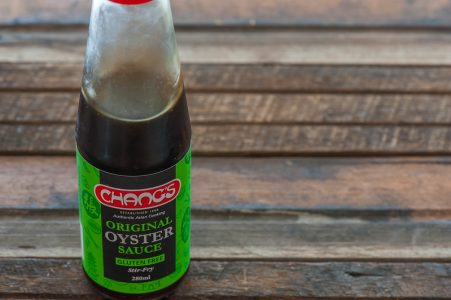
The problem isn't finding sauces — grocery store sauce aisles have never been more crowded. Hundreds of bottles compete for your attention, and most packaging tells you very little about how a sauce actually tastes or when it belongs in a dish. You need a guide that cuts through the noise and gives you the basics without making it complicated. That's what this is.
Whether you cook every night or just a few times a week, understanding how different sauces work will change the way your food tastes. From bold tomato-based marinara to complex, umami-packed oyster sauce, each type of sauce has a purpose. Once you understand those purposes, cooking becomes far less guesswork and a lot more fun.
Contents
- The Story Behind Cooking Sauces
- Best Sauces for Cooking: A Quick Comparison
- When to Use a Sauce — and When to Hold Back
- Tools and Storage That Make Sauce Use Easier
- Real-Kitchen Uses for the Best Sauces for Cooking
- Fixing Sauce Problems Before They Ruin Your Meal
- Frequently Asked Questions
- Next Steps
The Story Behind Cooking Sauces
What Is a Sauce, Exactly?
A sauce is any liquid or semi-liquid mixture used to add flavor, moisture, or visual appeal to food. According to Wikipedia's overview of sauces, the word itself traces back to the Latin salsa, meaning salted. Sauces can be hot or cold, thick or thin, savory or sweet. What separates them from simpler condiments like mustard or horseradish sauce is that sauces are often cooked into a dish — not just added at the table afterward.
The most common categories you'll encounter include:
- Tomato-based sauces — marinara, pizza sauce, arrabbiata
- Asian-style sauces — soy sauce, oyster sauce, fish sauce, hoisin
- Herb-based sauces — pesto, chimichurri, salsa verde
- Creamy sauces — alfredo, béchamel, ranch
- Spicy and chili-based sauces — hot sauce, sriracha, chili garlic sauce
- Seafood-specific sauces — cocktail sauce, tartar sauce, remoulade
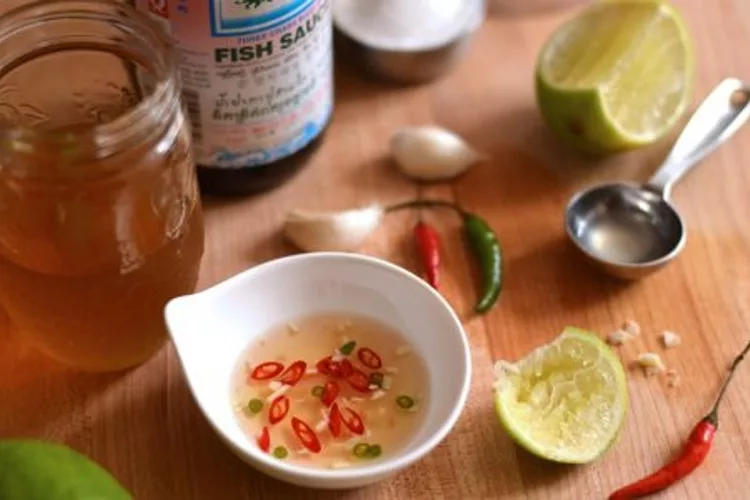
How Sauces Have Evolved Over Time
Sauces have been part of cooking for thousands of years. Ancient Romans used a fermented fish sauce called garum in nearly everything — not unlike how modern cooks reach for Worcestershire today. Over centuries, French cuisine formalized sauce-making into what became known as the "mother sauces," the five foundational preparations (béchamel, velouté, espagnole, tomato, and hollandaise) from which most others are derived.
Today, global trade and food culture have mixed things up in the best possible way. You can find Japanese teriyaki sauce sitting next to Italian marinara in the same grocery aisle. That variety is a genuine advantage for you as a home cook — it means you have more flavor tools available than any previous generation of home cooks could imagine.
Best Sauces for Cooking: A Quick Comparison
Flavor Profiles Side by Side
Not all sauces are built the same. Some add heat. Some add depth. Some add brightness. The table below gives you a fast look at the most popular best sauces for cooking so you can match the right one to the right dish without guessing.
| Sauce | Primary Flavor | Best Used For | Heat Level | Cuisine Origin |
|---|---|---|---|---|
| Marinara | Tangy, tomato-rich | Pasta, pizza, dipping | Mild | Italian |
| Oyster Sauce | Savory, slightly sweet (umami) | Stir-fry, noodles, vegetables | None | Chinese |
| Fish Sauce | Salty, pungent, deeply savory | Thai curries, soups, dipping sauces | None | Southeast Asian |
| Pesto | Herby, nutty, fresh | Pasta, sandwiches, flatbreads | None | Italian |
| Chili Sauce | Spicy, tangy, slightly sweet | Wings, dipping, stir-fry glaze | Medium–High | Various |
| Cocktail Sauce | Tangy, spicy, tomato-forward | Shrimp, seafood platters | Mild–Medium | American |
| Pizza Sauce | Rich tomato, herby | Pizza, calzone, flatbread | Mild | Italian-American |
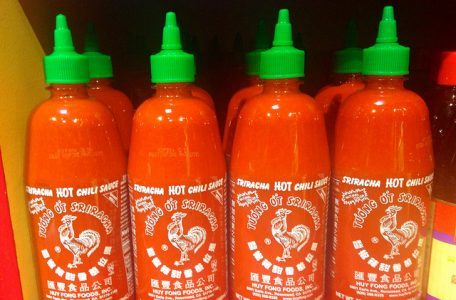
How to Read a Sauce Label Before You Buy
The label on a sauce bottle tells you a lot — if you know what to look for. Most people skip past it and buy based on the front of the packaging, which is exactly what brands want. Here's what to check before you add a bottle to your cart:
- Sodium content — many sauces, especially soy and fish sauce, are very high in sodium. Compare two or three brands side by side before choosing.
- Sugar — some "savory" sauces contain more added sugar than a candy bar. Check the per-serving amount and decide if that's what you want.
- Ingredient list length — fewer ingredients often means a cleaner product. Long lists full of numbers and hard-to-read codes generally signal more additives and fillers.
- Serving size — most nutrition facts are based on just one tablespoon. You probably use two or three, so multiply accordingly.
- Allergen warnings — sauces like oyster, fish, and many Asian-style blends contain shellfish, soy, or wheat. Important to check if you or someone you cook for has food allergies.
When to Use a Sauce — and When to Hold Back
Dishes That Benefit the Most
Some dishes basically require a sauce to work. Others are better without one. Knowing the difference saves you time, money, and a lot of second-guessing at the stove. Sauces earn their place in these situations:
- Pasta — dry noodles need sauce for both flavor and texture. Marinara, pesto, and alfredo are classics for a reason.
- Stir-fries — without sauce, stir-fried vegetables are just cooked vegetables. Oyster sauce or a chili garlic blend ties the whole dish together.
- Grilled or roasted proteins — chicken, beef, and fish all benefit from a finishing sauce or a well-chosen marinade before cooking.
- Dipping foods — fried foods like shrimp, spring rolls, or chicken wings almost demand a complementary dipping sauce to feel complete.
- Pizza and flatbreads — the base sauce is structural to the dish. You can't really skip it.
Pro tip: Add sauce to stir-fries in the last two minutes of cooking — not at the start — so the sugars don't burn and the flavors stay bright and fresh.
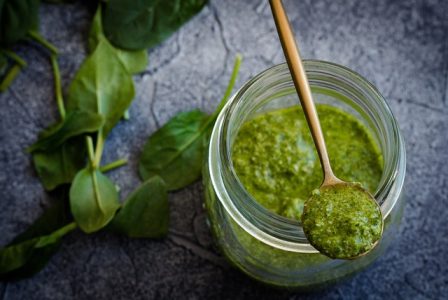
When a Sauce Can Work Against You
Not every dish needs a sauce. In fact, adding one can sometimes make things worse. Here are situations where you might want to hold back:
- Fresh salads with delicate greens — a heavy sauce will wilt everything within minutes and mask the flavors you're trying to highlight.
- Perfectly cooked fresh fish — a squeeze of lemon and a drizzle of good olive oil often beats any bottled sauce in the fridge.
- High-quality grilled steaks — a great cut speaks for itself. A strong sauce can overpower the meat's natural flavor and make an expensive purchase feel pointless.
- Soups and stews — these dishes already have built-in liquid and seasoning. Adding a bottled sauce can push sodium levels too high or throw off the flavor balance entirely.
The general rule is this: if the ingredient is already flavorful and properly cooked, sauce is optional at best. Reserve it for dishes that actually need the flavor lift.
Tools and Storage That Make Sauce Use Easier
Basic Kitchen Tools You Actually Need
You don't need fancy equipment to cook with sauces well. But a few specific tools genuinely help — and they're all affordable and easy to find.
- A fine-mesh strainer — useful for straining chunky tomato-based sauces into a smoother consistency when you want something silky.
- A small whisk — helps blend emulsified sauces (ones that mix oil and water, like vinaigrettes) without lumps or separation.
- An immersion blender — for blending cooked sauces directly in the pot. It saves time and dishes, and gives you a much smoother result than transferring to a countertop blender.
- Measuring spoons — sauces like fish sauce and soy sauce are intensely concentrated. Eyeballing them almost always leads to overseasoning.
- Glass jars with tight-fitting lids — for storing leftover sauces in the fridge. Far better than leaving them in opened cans or loosely covered bowls.
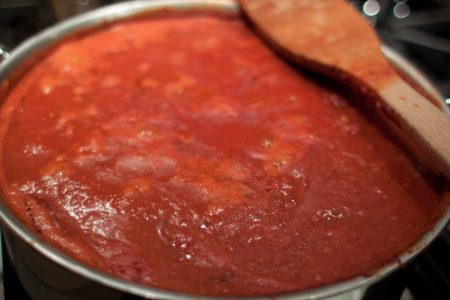
How to Store Open Bottles Properly
Improper storage is one of the most common reasons a perfectly good sauce goes bad before its time. A few simple habits will stretch every bottle's shelf life:
- Most opened sauces should go straight to the refrigerator — even if they weren't refrigerated on the store shelf.
- Always check the label for "refrigerate after opening" guidance. Most tomato sauces, pesto, and fish sauce fall into this category.
- Use within the window recommended on the label. Fresh-style sauces typically last 5–14 days; fermented options like soy and fish sauce can last several months when refrigerated.
- Use a clean spoon every time you scoop from a jar — introducing bacteria from a used utensil shortens shelf life significantly.
- If a sauce smells sour, looks discolored, or shows any mold, discard it immediately regardless of the date printed on the label.
Real-Kitchen Uses for the Best Sauces for Cooking
Weeknight Dinners Made Faster
Sauces are one of the best tools you have for getting a complete, flavorful dinner on the table without spending an hour in the kitchen. Here's how some of the most useful sauces fit into fast weeknight cooking:
- Marinara sauce — heat it, add pasta, and dinner is done in 15 minutes. Check out the best marinara sauce brands for a breakdown of which jars use the cleanest ingredients.
- Pesto — toss it cold with freshly cooked pasta or use it as a sandwich spread. No extra cooking required. If you're not sure which brand to grab, the best pesto sauce brands review covers the top options in detail.
- Oyster sauce — a tablespoon or two in a vegetable stir-fry gives you restaurant-level depth in under five minutes.
- Chili sauce — stir it into ground meat for a quick taco or burrito filling, or brush it on chicken thighs before baking for a simple sticky glaze.
- Pizza sauce — spread it on flatbread, add cheese and whatever you have on hand, and you have a better-than-takeout meal in 20 minutes.
Marinades, Dips, and Beyond
The best sauces for cooking aren't limited to pasta and stir-fries. They work in unexpected ways all through the kitchen.
As marinades: Mix oyster sauce, garlic, and a splash of sesame oil and you have a marinade that works on chicken, beef, or tofu equally well. Fish sauce does the same for Southeast Asian-style grilling. Let proteins marinate for at least 30 minutes — overnight in the fridge is even better when time allows.
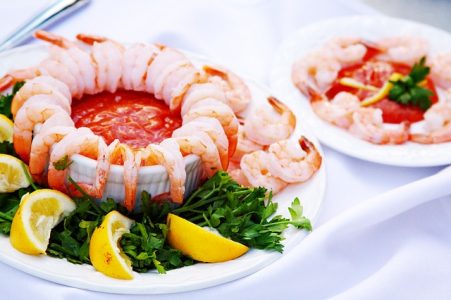
As dipping sauces: Cocktail sauce is the go-to for shrimp and cold seafood platters. Pesto works surprisingly well as a vegetable dip. Chili sauce pairs well with fried foods of all kinds — try it alongside spring rolls or fried tofu.
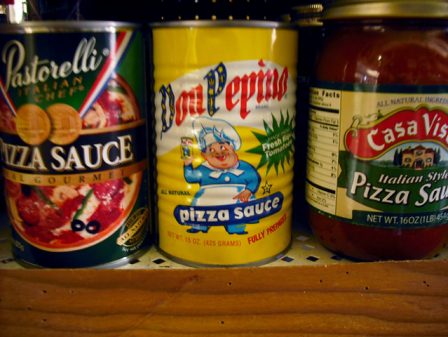
As pizza and flatbread bases: Pizza sauce is purpose-built for this job, but marinara and even pesto make excellent alternatives when you want to switch things up. Each gives the finished flatbread a completely different character.
Fixing Sauce Problems Before They Ruin Your Meal
Sauce That's Too Thin, Too Thick, or Too Salty
Even the best sauces can go sideways during cooking. The good news is that most common problems have quick, simple fixes — and you don't need to start over.
- Too thin: Simmer the sauce uncovered on low heat to reduce (evaporate) excess liquid. You can also stir in a small amount of cornstarch (a corn-derived thickener) mixed with cold water — start with one teaspoon and adjust.
- Too thick: Add a splash of pasta water, broth, or plain water and stir. Go slowly — it's easy to add more liquid but impossible to take it back out.
- Too salty: Drop a peeled, diced potato into the sauce and simmer for 10 minutes — it absorbs excess salt. Remove the potato before serving. A squeeze of lemon juice or a small pinch of sugar can also help balance the flavor when saltiness isn't extreme.
When Sauce Breaks, Clumps, or Just Tastes Off
Cream-based sauces sometimes "break" — meaning the fat and liquid separate into a greasy, curdled-looking mess. It's fixable. Take the pan off the heat, let it cool slightly, then whisk in a tablespoon of cold butter or cream while stirring constantly. This re-emulsifies (recombines) the sauce and brings it back together.
If your tomato sauce develops a bitter edge, a small pinch of sugar or a few slices of carrot simmered in the sauce can counteract it. Bitterness in tomato sauces usually comes from overcooking or from canned tomatoes with a naturally high acid content.
When a sauce just tastes flat or bland, the fix is almost always one of three things:
- More salt — even a small pinch changes how the other flavors register on your palate.
- An acid boost — a squeeze of fresh lemon juice or a splash of vinegar lifts flat flavors dramatically and makes other ingredients taste more like themselves.
- A fat addition — a drizzle of olive oil or a small pat of butter rounds out the flavor and gives the sauce a better, silkier mouthfeel.
Frequently Asked Questions
What are the best sauces for cooking at home?
The most versatile options for home cooks include marinara, oyster sauce, fish sauce, pesto, chili sauce, and soy sauce. Each covers a wide range of dishes and cuisines. Start with two or three that match the food you already cook most often, then expand your collection from there.
Can I use a bottled sauce as a marinade?
Yes — many sauces work very well as marinades. Oyster sauce, soy sauce, fish sauce, and chili sauce all penetrate proteins effectively. Combine them with oil, garlic, or citrus for better results. Always marinate in the refrigerator, not at room temperature, for food safety.
How long does an open jar of sauce last in the fridge?
Most tomato-based sauces and pesto last 5–7 days once opened and refrigerated. Fermented sauces like soy, fish, and oyster sauce can last several months in the fridge. Always check the label for specific guidance and discard anything that smells off or shows visible mold.
Are store-bought sauces as good as homemade?
Many store-bought sauces are excellent, especially from brands that use clean ingredient lists. Homemade sauces give you full control over every ingredient, but a quality bottled sauce can match or exceed homemade — especially fermented options like fish or oyster sauce, which require months of production time to develop their depth of flavor.
What sauce works best with seafood?
Cocktail sauce is the classic choice for shrimp and cold seafood platters. Fish sauce works well in marinades for grilled fish. Pesto and lemon-butter-based sauces pair nicely with white fish fillets. For Asian-style seafood dishes, oyster sauce or a chili-garlic blend are both strong options.
How do I fix a sauce that's too spicy or too sweet?
Balance is the goal. If a sauce is too spicy, add a dairy component like cream or plain yogurt, or stir in something starchy like a boiled potato piece to absorb heat. If it's too sweet, add an acid — lemon juice or a splash of vinegar works well. Adjust one element at a time and taste as you go rather than adding several things at once.
Can I freeze leftover sauce?
Most tomato-based sauces freeze well for up to three months. Store them in an airtight container with a small gap at the top to allow for expansion as they freeze. Cream-based and egg-based sauces generally don't freeze well — they separate when thawed and reheated. Pesto freezes reasonably well if you portion it into small amounts first, like an ice cube tray.
Next Steps
- Pick two or three sauces from the comparison table above and add them to your next grocery run — marinara and oyster sauce are a strong starting pair that covers Italian and Asian cooking in one go.
- Audit your current sauce collection today: check expiration dates, refrigerate anything open that isn't already chilled, and discard anything past its prime or smelling off.
- Try using one sauce in a new way this week — use pesto as a flatbread base instead of pizza sauce, or stir oyster sauce into a vegetable dish you've never seasoned that way before.
- Practice reading sauce labels before your next purchase: compare sodium, sugar, and ingredient list length between two brands of the same sauce to find the cleaner option.
- Explore the full sauces guide at GroceriesReview for in-depth brand reviews on every type of sauce covered in this post — each category page breaks down the best options currently available.


About Touseef Shaikh
Touseef Shaikh is a food writer and grocery researcher with years of experience evaluating grocery products for nutritional quality, ingredient transparency, and everyday value. His research-driven approach to food product reviews covers pantry staples, snacks, beverages, fresh produce, and organic alternatives — with a focus on helping shoppers make better decisions at the grocery store without spending more than they need to. At GroceriesReview, he covers food and grocery product reviews, buying guides, and meal planning resources.
You can get FREE Gifts. Or latest Free phones here.
Disable Ad block to reveal all the info. Once done, hit a button below