12 Best Chili Sauce Substitutes When You Run Out
by Touseef Shaikh
Around 68% of home cooks report running out of a key pantry staple mid-recipe at least once a month — and chili sauce ranks among the most common culprits. The best chili sauce substitutes are probably already in your kitchen right now, and knowing which one to reach for can save dinner without a last-minute store run. Whether you're finishing a stir-fry, building a marinade, or making a dipping sauce, you have more options than you might think. This guide covers 12 reliable alternatives, a quick comparison table, and a two-minute homemade recipe if you want to go that route. You can also browse the pantry resources section for related ingredient guides.

Chili sauce shows up in Thai noodles, Chinese stir-fries, Korean glazes, and American barbecue recipes — its broad use across cuisines is exactly what makes replacing it feel tricky at first. But once you understand what it's actually doing in a dish, picking a substitute becomes far less daunting. Most of the time, you're replacing a combination of heat, tang, and body — three qualities that many common condiments already provide.
Not every swap works equally well in every situation. A substitute that shines in a wok dish might fall flat as a dipping sauce. That's why this post walks you through both the options and the context, so you can match the right substitute to the right dish every time. For a broader look at condiment choices, the best sauces guide is a useful companion to this one.
Contents
- What Chili Sauce Actually Does in a Recipe
- Common Misconceptions About Replacing Chili Sauce
- The 12 Best Chili Sauce Substitutes — Everyday and Specialty Picks
- Choosing the Right Substitute for Your Specific Dish
- How to Make a Quick Chili Sauce Substitute at Home
- Keeping Your Pantry Stocked So You're Never Stuck Again
- Frequently Asked Questions
What Chili Sauce Actually Does in a Recipe
Heat, Tang, and Thickness — the Three Key Jobs
Before you can find a good substitute, it helps to understand what you're actually replacing. Chili sauce does three things in most recipes. First, it delivers mild to moderate heat — noticeable but not overwhelming. Second, it adds a brightness and tang that comes from vinegar or tomatoes. Third, it has enough body and thickness to coat food rather than running off it. That last quality is what sets it apart from most thin hot sauces.
According to the Wikipedia entry on chili sauce and paste, the style of chili sauce varies considerably by region — from the vinegar-heavy versions common in the United States to the fermented paste versions used across East and Southeast Asia. Knowing which style your recipe is calling for will help you narrow down the right substitute faster.
Why Substitutes Work Better Than You Expect
Here's a reassuring fact: most chili sauce goes into cooked applications — stir-fries, braises, soups, marinades. In these contexts, the sauce blends with other ingredients and cooks down over heat. The distinct character of the sauce fades into the background. That makes cooked dishes much more forgiving than they seem on paper. Cold applications like dips and spreads are less forgiving, but even there, a well-chosen substitute can get you most of the way there.
Common Misconceptions About Replacing Chili Sauce
The "Nothing Compares" Myth
A lot of home cooks assume that if a recipe names a specific ingredient, nothing else will do. That hesitation makes sense, but it doesn't hold up for chili sauce. Unlike highly unique ingredients — fish sauce, tamarind, or aged miso — chili sauce is built from flavors that are easy to replicate: heat, acid, sweetness, and body. You're not replacing something irreplaceable. You're replacing a combination of things that exist in many different forms across your pantry.
Substituting chili sauce doesn't mean settling — it often means discovering that you had a better option sitting in your cabinet the whole time.
The "Any Hot Sauce Works" Myth
Going too far the other direction is just as easy. Not all hot sauces behave like chili sauce. A thin, vinegar-forward sauce like Tabasco runs right off food and adds sharpness without body. In cold dipping sauces or glazes, the difference becomes obvious almost immediately. The key to a successful swap is adjusting your ratios and, when necessary, combining two ingredients to cover everything chili sauce does on its own.
The 12 Best Chili Sauce Substitutes — Everyday and Specialty Picks
Go-To Options You Probably Already Have
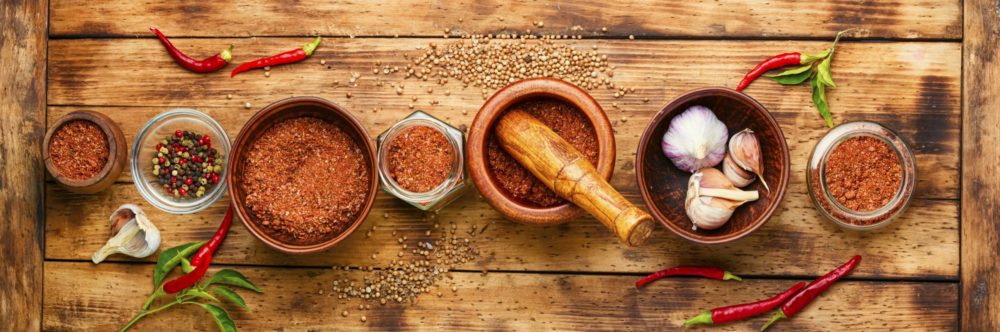
Sriracha is the single best drop-in replacement for most situations. It has heat, garlic, a touch of sweetness, and the same thick consistency as chili sauce. Use it in a 1:1 ratio. If you need something milder, sweet chili sauce keeps the body and sweetness while bringing the heat way down. For something more tomato-forward, combine ketchup with red pepper flakes — about 2 tablespoons of ketchup per tablespoon of chili sauce needed, plus a quarter teaspoon of flakes. Cayenne mixed with tomato paste gives you a richer, less sweet alternative that works well in braises and soups.
Specialty Substitutes Worth Picking Up
These take a short trip to the store but are worth having on hand. Chili garlic sauce (brands like Huy Fong make a widely available version) is excellent in stir-fries and noodle dishes. Sambal oelek is a pure chili paste with very little sweetness — ideal for authentic Asian dishes where you want clean chili flavor. Gochujang, a Korean fermented chili paste, adds depth and umami that works especially well in glazes. Harissa brings smokiness and earthiness, making it a natural fit for roasted and braised dishes. Jalapeño hot sauce gives a fresh, grassy heat that suits Mexican-inspired recipes. Here's how all 12 options compare:
| Substitute | Heat Level | Flavor Profile | Best Used In | Swap Ratio |
|---|---|---|---|---|
| Sriracha | Medium | Garlicky, sweet, tangy | Stir-fries, dips, marinades | 1:1 |
| Chili Garlic Sauce | Medium–Hot | Garlicky, chunky, bold | Stir-fries, noodles, fried rice | 1:1 |
| Sambal Oelek | Medium–Hot | Pure chili, minimal sweetness | Asian dishes, noodles | 1:1 |
| Gochujang | Medium | Fermented, savory, deep | Glazes, dipping sauces, Korean dishes | ¾:1 |
| Harissa | Medium–Hot | Smoky, earthy, complex | Roasted dishes, dips, stews | ¾:1 |
| Sweet Chili Sauce | Mild | Sweet, mild, sticky | Dipping, glazes, spring rolls | 1:1 |
| Tabasco / Hot Sauce | Medium–Hot | Vinegary, sharp, thin | Soups, braises, sauces | ½:1 |
| Jalapeño Hot Sauce | Mild–Medium | Fresh, bright, grassy | Tacos, eggs, dipping sauces | 1:1 |
| Ketchup + Red Pepper Flakes | Adjustable | Tomato-forward, sweet | Cooked dishes, glazes | 1:1 |
| Cayenne + Tomato Paste | Adjustable | Rich, concentrated, spicy | Sauces, braises, soups | 1:1 |
| Crushed Red Pepper + Vinegar | Hot | Sharp, clean, simple | Pasta, pizza, quick sauces | ½:1 |
| Blended Fresh Chili Peppers | Variable | Fresh, vegetal, bright | Salsas, homemade sauces, dips | 1:1 |
Choosing the Right Substitute for Your Specific Dish
Stir-Fries and High-Heat Cooking
High heat is unforgiving with thin sauces. They evaporate fast, can burn on a dry pan, and leave food tasting bitter rather than spicy. For wok cooking and stir-fries, chili garlic sauce and sambal oelek hold up best. They're thick enough to coat ingredients without instantly evaporating and bold enough to survive high temperatures. Sriracha also works, though it caramelizes quickly and can turn slightly bitter if it hits a completely dry pan. Always add your sauce with a liquid element — a splash of soy sauce, broth, or water — to give it something to cling to.
Dipping Sauces and Glazes
Cold dipping sauces and glazes need body, balance, and enough sweetness to be broadly appealing. Gochujang and sweet chili sauce are the strongest choices here. Both have natural sweetness and cling to food the way a good dipping sauce should. If you're building a sauce for fish or seafood specifically, the best sauces for salmon guide covers flavor pairings that translate well to other proteins too. For anyone following a plant-based diet, most of these substitutes are vegan-friendly — the vegan foods guide covers pantry-friendly condiment choices in more detail.
For glazes and cold dipping sauces, always pick a thick substitute — thin hot sauces run straight off food and can scorch on high heat before the dish finishes cooking.
How to Make a Quick Chili Sauce Substitute at Home
What You'll Need
You don't need any special equipment. A small saucepan and a spoon are all it takes. For ingredients, you need tomato paste, white vinegar, sugar, garlic powder, and a dried chili — cayenne, paprika, or red pepper flakes all work. Most of these are permanent residents in an average kitchen. If you have tomato paste on hand, you're already most of the way there.
A Simple Two-Minute Recipe
Combine 2 tablespoons of tomato paste with 1 tablespoon of white vinegar, 1 teaspoon of sugar, half a teaspoon of garlic powder, and a quarter teaspoon of cayenne. Stir everything together in a small saucepan over low heat for about two minutes. Taste as you go — add more sugar if the vinegar is too sharp, more cayenne if you want more kick. This basic blend works in any cooked dish that calls for chili sauce, and the whole process takes less time than a store run. Store leftovers in a sealed jar in the fridge and use within two weeks.
Keeping Your Pantry Stocked So You're Never Stuck Again
The Best Substitutes to Buy and Keep
If you cook with chili sauce regularly, keeping at least one backup on the shelf makes more sense than scrambling every time the bottle runs dry. Sriracha and chili garlic sauce offer the broadest coverage across dish types — between the two of them, you can handle almost any recipe that calls for chili sauce. Red pepper flakes and ketchup are already in most kitchens and serve as a solid emergency option when nothing else is available. Gochujang is worth adding if you make Korean-inspired dishes or want something with more complexity for glazes and marinades.
Shelf Life and Storage Tips
Most commercial hot sauces and chili pastes last 6–12 months in the pantry when sealed and up to two years refrigerated after opening. Gochujang is particularly long-lasting — it keeps well for 1–2 years in the fridge. Homemade substitutes should go straight into the fridge and be used within two weeks. Labeling your jars with the preparation date is a small habit that eliminates guesswork. For a deeper look at how to store and organize a range of condiments, the condiments guide covers the basics clearly.
Frequently Asked Questions
Can I use ketchup as a chili sauce substitute?
Yes, ketchup works as a base but it lacks heat on its own. Stir in red pepper flakes or a pinch of cayenne to approximate chili sauce. Use a 1:1 ratio and taste as you adjust the spice level to your preference.
Is sriracha the same as chili sauce?
Sriracha is technically a type of chili sauce, but the term "chili sauce" in most recipes refers to a milder, thicker condiment. Sriracha runs hotter and has a stronger garlic flavor, so it's a very close substitute — just dial back the quantity slightly if your recipe calls for a milder product.
What is the mildest substitute for chili sauce?
Sweet chili sauce is the mildest widely available option. It has the same sticky consistency and a similar color, but almost no noticeable heat. It's a good choice if you're cooking for children or anyone who prefers very mild spice.
Can I substitute chili powder for chili sauce?
Chili powder is a dry spice and won't replicate the texture or moisture of chili sauce. However, you can blend it with tomato paste and a splash of vinegar to make a rough paste that works in cooked dishes. Start with a small amount and adjust as you taste.
Does sambal oelek taste like chili sauce?
Sambal oelek is chunkier and far less sweet than most commercial chili sauces. It delivers strong chili flavor and clean heat without the sweetness. It's an excellent substitute in Asian dishes where you want the chili flavor to come through clearly without added sugar.
How do I reduce the heat of a chili sauce substitute?
Add a small amount of honey, sugar, or extra tomato paste to bring the heat down. In dipping sauces or dishes where it fits, a spoonful of yogurt or sour cream can neutralize spice quickly. Start with a little and taste as you go rather than adding too much at once.
Understanding what an ingredient does is more valuable than having that exact ingredient — master that skill and you'll never be stuck in the kitchen again.


About Touseef Shaikh
Touseef Shaikh is a food writer and grocery researcher with years of experience evaluating grocery products for nutritional quality, ingredient transparency, and everyday value. His research-driven approach to food product reviews covers pantry staples, snacks, beverages, fresh produce, and organic alternatives — with a focus on helping shoppers make better decisions at the grocery store without spending more than they need to. At GroceriesReview, he covers food and grocery product reviews, buying guides, and meal planning resources.
You can get FREE Gifts. Or latest Free phones here.
Disable Ad block to reveal all the info. Once done, hit a button below